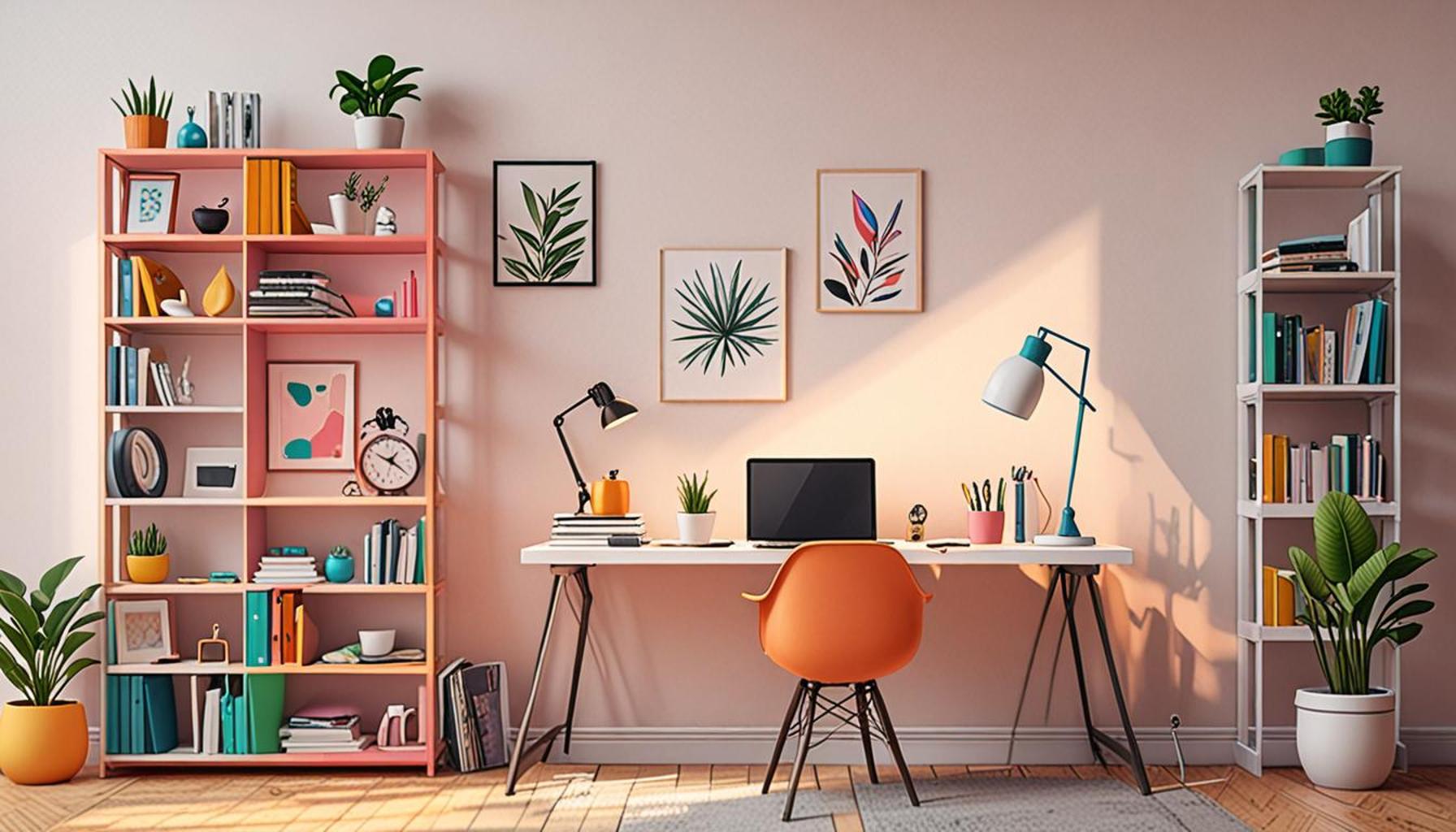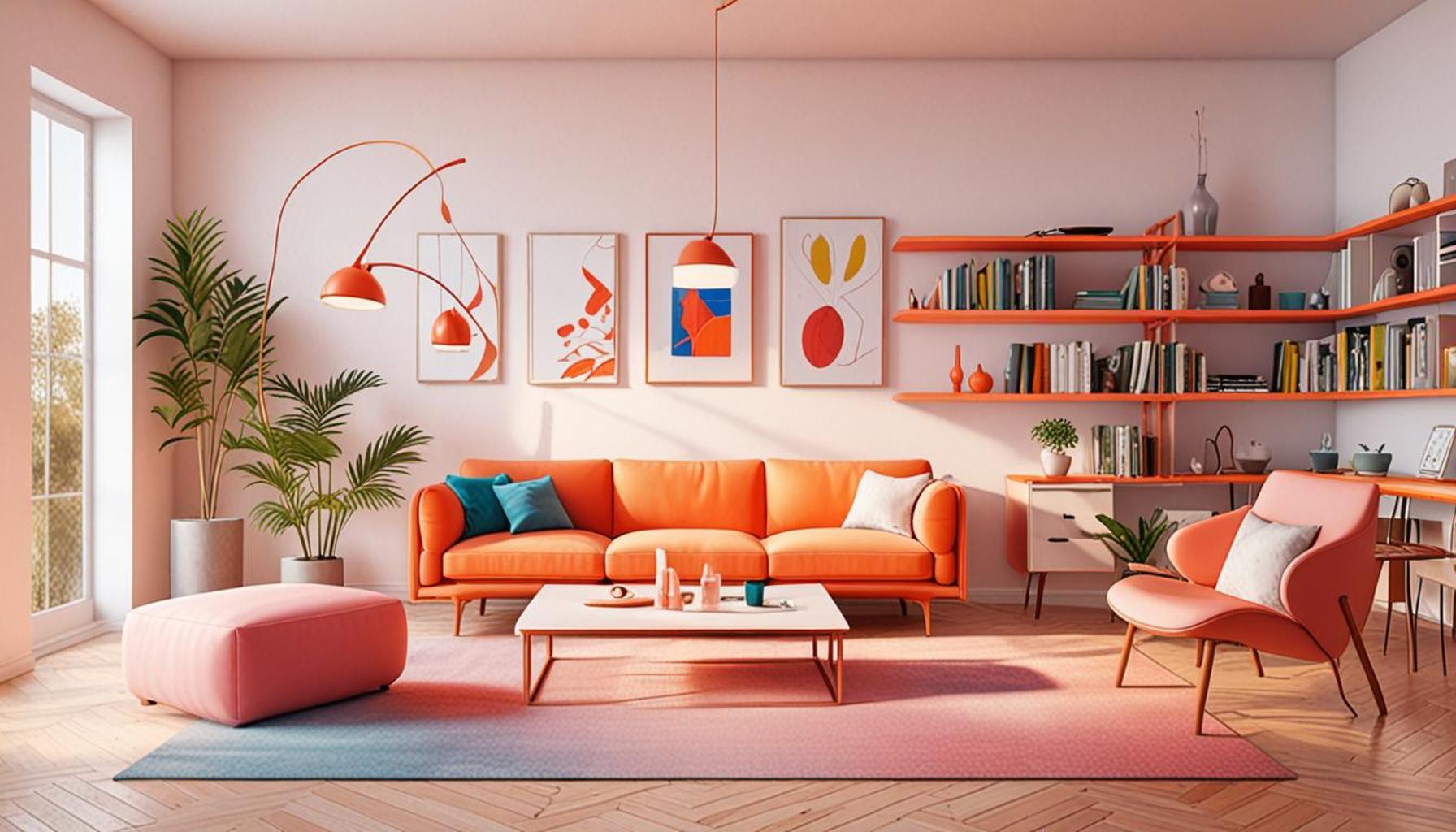
Transforming Small Spaces into Functional Areas: The Role of Minimalism in Home Optimization
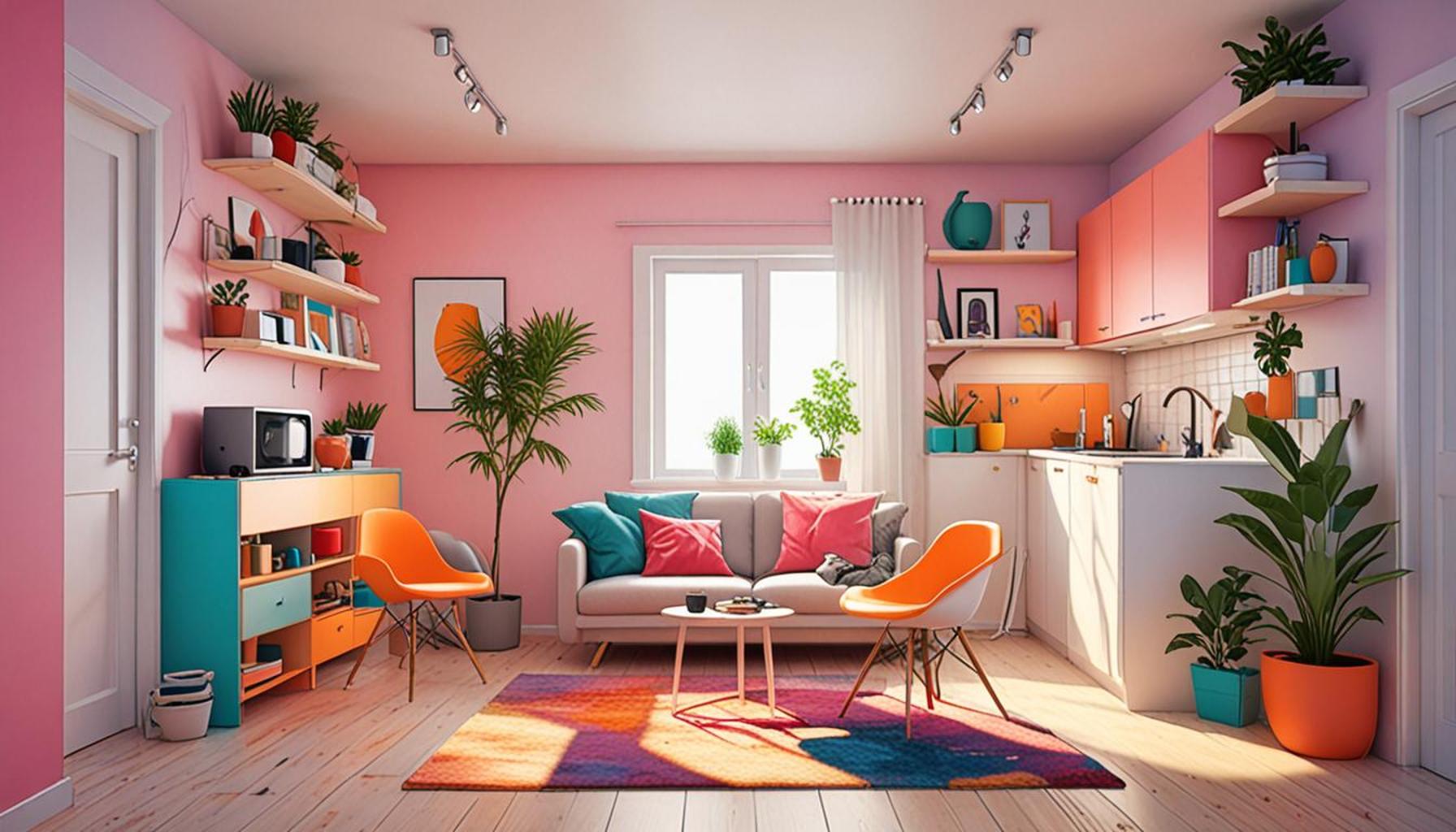
Embracing Creativity Within Constraints
In today’s fast-paced urban landscape, particularly across major cities in the United States like New York, San Francisco, and Chicago, many people find themselves living in smaller homes. While these limited spaces can pose challenges in terms of organization and design, they also present remarkable opportunities for creativity and innovation. The art of optimizing home environments has become essential for transforming compact living quarters into inviting and functional sanctuaries.
One of the most effective philosophies that has gained traction in recent years is minimalism, which emphasizes simplicity and intentionality in design. Embracing this lifestyle can not only enhance the aesthetics of your space but also improve your quality of life. The core tenets of minimalism include:
- Decluttering: This involves systematically removing unnecessary items from your space. By adopting a “less is more” approach, you can create a clean, open environment, making it easier to navigate and appreciate your surroundings. For instance, consider tackling one area at a time, such as the closet or the kitchen counter, to help reduce overwhelm.
- Multi-functionality: When space is at a premium, choosing versatile furniture becomes crucial. For example, a sofa bed can provide both comfort for sitting guests and a cozy place to sleep. Similarly, a storage ottoman can serve as both a footrest and a place to store blankets and magazines, thus saving valuable floor space.
- Thoughtful Design: Small spaces can often feel confining, but strategic design choices can create a sense of openness. Use mirrors to reflect light and visually expand the room. Selecting lighter color palettes for walls and furniture, paired with natural light sources like large windows, can also promote a feeling of airiness and comfort.
Minimalism challenges the perception that small living areas are inherently limiting. Instead, it encourages a mindset shift, seeing these spaces as opportunities for efficiency and style. The ultimate goal is to develop environments that are not only visually appealing but also cater to personal needs and preferences. For instance, a small apartment in a bustling neighborhood can become a peaceful retreat, offering personalized touches that reflect the inhabitant’s values and interests.
As we delve deeper into this impactful approach, it is important to recognize how minimalist principles can lead to a more harmonious living experience, regardless of the size of your space. By embracing these concepts, individuals can find joy and satisfaction in their surroundings, ultimately elevating their lifestyle and encouraging a more mindful existence. Whether living in a downtown loft or a modest cottage, the integration of minimalism into small spaces can inspire transformative changes that resonate throughout everyday life.
DISCOVER MORE: Click here for essential organization tips
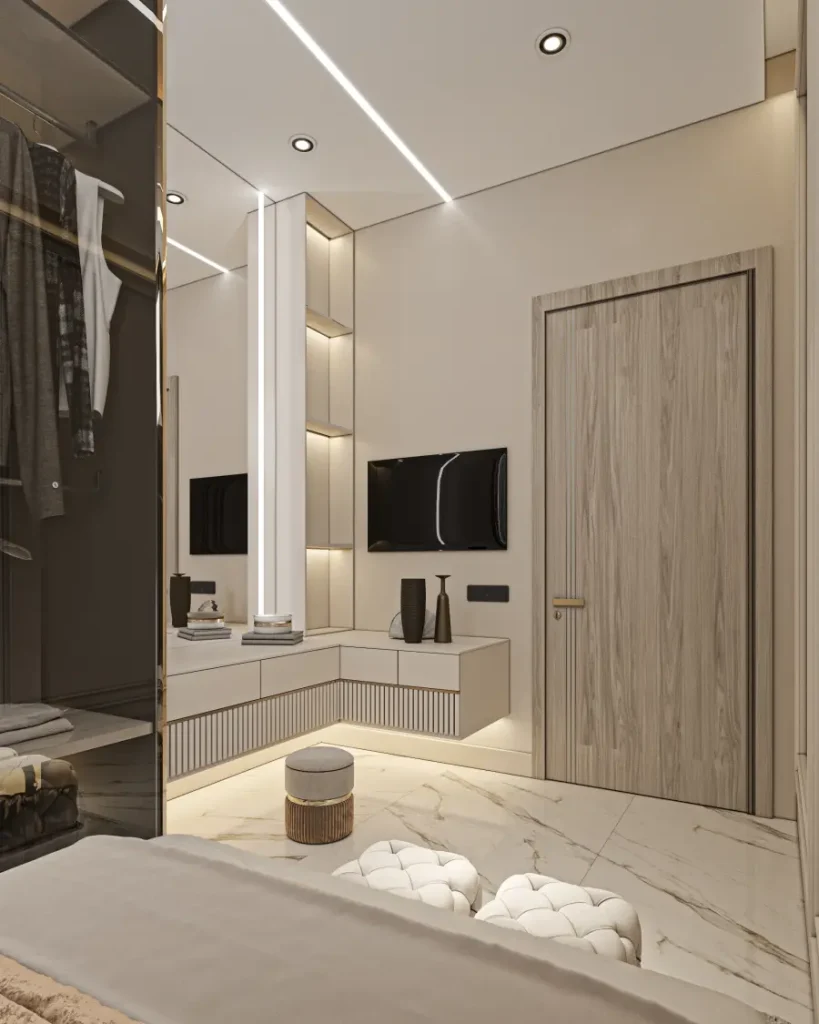
Maximizing Utility Through Strategic Choices
When it comes to transforming small spaces into areas of functionality and comfort, the principles of minimalism offer a blueprint that many homeowners can benefit from. By focusing on the essentials and shedding the excess, individuals can curate a living environment that not only meets their daily needs but also promotes a sense of well-being. The journey toward minimalism does not have to be overwhelming; instead, it can be an exciting venture into creativity and intentional living.
Understanding how to make the most out of limited space involves a combination of astute purchasing decisions and innovative design techniques. Here are some practical strategies to consider:
- Vertical Space Utilization: In small living quarters, one of the most valuable assets is vertical space. Installing shelves or cabinetry that reaches the ceiling can significantly increase your storage capability without encroaching on precious floor space. Utilize walls for bookshelves, hanging plants, or floating desks, which offer functional solutions while serving as striking design elements.
- Transformative Furniture: Selecting the right furniture is crucial for space optimization. Look for items that serve dual purposes. A fold-out dining table can convert an empty wall into a dining area, while stackable chairs can easily be stored away when not in use. Additionally, a Murphy bed can free up square footage during the day, transforming a bedroom into a multifunctional living space.
- Declutter Regularly: Embracing a minimalist mindset means committing to ongoing decluttering efforts. Establish a routine to sift through belongings frequently, ensuring that only items with purpose or sentimentality remain. This continuous practice not only creates a more organized home but also cultivates mindfulness about consumption habits.
Minimalism in home optimization doesn’t just focus on reducing clutter; it also embraces the philosophy of quality over quantity. Investing in a few high-quality, well-crafted pieces rather than filling a room with numerous lower-quality items can enhance the overall aesthetic and functionality of a space. Such intentional choices allow residents to forge a stronger connection to their environment, fostering a sense of peace amid life’s chaos.
Moreover, embracing minimalism can also have a positive impact on one’s mental health. A streamlined space can lead to a reduction in stress and anxiety levels, which are often exacerbated by cluttered environments. In fact, studies have shown that a clean, organized living area can enhance focus and boost overall mood. This underscores the vital intersection between functionality and well-being in the context of living spaces.
As we explore the various facets of minimalistic design for small spaces, it becomes evident that each individual has the potential to craft a personalized haven tailored to their lifestyle. By integrating minimalist principles, transforming your home into a functional area becomes not just a dream, but an attainable reality.
As urban living spaces continue to shrink, the concept of minimalism has emerged as a powerful tool in home optimization. Rather than viewing small areas as limitations, minimalism invites homeowners to reimagine these spaces. By embracing a less is more philosophy, homes can transform into functional havens without the clutter that often weighs them down.
One of the primary advantages of minimalism is its ability to promote efficiency. By selecting multi-functional furniture pieces—such as a bed with storage drawers or a folding table—homeowners can maximize every square inch of their living spaces. This strategic choice not only offers functionality but also enhances aesthetic appeal. Each piece serves a distinct purpose, contributing to a cohesive and streamlined environment.
Furthermore, minimalism fosters a sense of calm in the home. Clutter can lead to feelings of chaos and anxiety, making it difficult to focus. By simplifying the living environment, individuals can cultivate serenity. Colors, textures, and shapes come to life in a minimalist space, allowing homeowners to establish a tranquil atmosphere that nurtures well-being.
Moreover, minimalism encourages a lifestyle centered on sustainability. Opting for fewer, high-quality items rather than a myriad of cheap, disposable products not only contributes to a cleaner environmental footprint but also promotes thoughtful consumption. This shift toward sustainability resonates with young homeowners who prioritize eco-conscious choices.
In conclusion, minimalism is more than a design trend; it’s a lifestyle movement that prioritizes function and experience over excess. As we delve deeper into the key elements of this philosophy, we reveal more ways to effectively transform small spaces into beautifully optimized areas.
| Advantage | Description |
|---|---|
| Maximized Functionality | Multi-functional furniture enhances usability in small spaces. |
| Promoted Calmness | Fewer items reduce anxiety, creating peaceful living environments. |
As homeowners continue to embrace minimalism, the transformation of small areas into functional spaces becomes more than possible; it becomes an exciting journey of creativity and innovation, making previously constrained environments feel open and inviting.
DISCOVER MORE: Click here to learn about minimalism’s influence
Designing Harmony: Color, Light, and Texture
In the realm of transforming small spaces, the aesthetic components of color, lighting, and texture can prove just as essential as functional elements. Understanding and harnessing these variables can enhance the atmosphere of a room, achieving a harmonious balance that invites comfort and creativity.
Color plays a pivotal role in how we perceive space. Lighter hues, such as whites, soft grays, and pastels, can make a small area feel more expansive. Conversely, darker shades may create an intimate atmosphere but can often make a space feel constricted. Many minimalists advocate for a monochromatic palette, where varied shades of a single color create a seamless flow that visually enlarges the environment. Accent walls in bold colors can be used to create focal points, drawing the eye and adding character without overwhelming a small space.
Natural light is another potent ally in the quest for functional living areas. Maximizing the influx of sunlight can transform the ambiance of a room, making it appear more inviting and airy. Consider using sheer window treatments, which offer privacy while permitting light to filter through gently. Mirrors are another clever design trick—they not only reflect light but can also create an illusion of depth. As such, strategically placing mirrors across from windows can amplify brightness and make a small area feel more expansive.
Texture adds depth and richness to minimalist spaces, enhancing the overall aesthetic without adding clutter. Incorporating various materials, such as soft textiles, smooth woods, and sleek metals, allows for visual interest. For example, an upholstered ottoman can add comfort and texture to a sleek, modern living room, serving both function and style. Implementing area rugs can also delineate spaces within an open floor plan, adding warmth while maintaining a fluidity that minimalism champions.
Technology advances further ease the transition into minimalism, especially in small homes. Smart design solutions like modular furniture and multi-functional appliances can reinvent how residents utilize their spaces. Brands producing space-saving innovations in the United States are gaining popularity; smart storage beds and built-in kitchen appliances offer practical solutions that align with minimalist principles. Furthermore, the emergence of smart home systems empowers individuals to manage their environments with minimal effort, maximizing their small spaces’ utility.
Adapting to this minimalist trend can enhance not only the physical aspects of a home but also enrich the psychological environment. A well-designed minimalist space nurtures a sense of calm and productivity. Studies emphasize that environments with less visual noise lead to reduced stress levels, benefiting overall mental well-being. Hence, each element in a small space should serve a purpose, carefully curated to align with the homeowner’s lifestyle while promoting tranquility.
As residents deliberate on the nuances of minimalistic design, they should remember that optimization is about finding a personal balance. This exploration can be liberating, allowing for meaningful choices in how space is utilized and experienced. By marrying functionality with artistry, small spaces can undoubtedly emerge as empowering havens that serve both the practical and emotional needs of everyday life.
DISCOVER MORE: Click here to dive deeper
Conclusion: Embracing Minimalism for a Purposeful Home
In a world that often equates clutter with comfort, adopting minimalism in the process of transforming small spaces proves not only practical but transformative. By focusing on functionality, aesthetics, and psychological wellness, minimalism encourages homeowners to embrace a wealth of opportunities that enhance both living spaces and lifestyles. As we have seen, strategic use of color, light, and texture can significantly alter perceptions of space, inviting a sense of openness and tranquility that defies the confines of a small area.
The integration of smart design solutions—such as multi-functional furniture and advanced technology—addresses the need for efficiency without sacrificing style. These innovations empower residents to create environments that are not only aesthetically pleasing but also effortlessly adaptable to diverse needs. Indeed, as the demand for urban living continues to rise, the principles of minimalism serve as a beacon of inspiration, guiding us toward making thoughtful choices in the utilization of our spaces.
Ultimately, optimizing small homes through minimalism promotes a lifestyle centered around clarity and purpose. It beckons us to reflect on what we truly value and to curate our surroundings accordingly. As we embark on this journey towards simpler living, we not only enhance the functionality of our homes but also nurture our mental well-being. Thus, transforming small spaces into functional areas is an opportunity to redefine our relationship with our environments, fostering a haven that inspires creativity, peace, and renewal.