The role of colors and lighting in the creation of functional minimalist spaces
Exploring the Essence of Minimalist Design
The architecture of our environments speaks volumes about who we are and how we function within our spaces. In recent years, the concept of minimalist spaces has surged in popularity, capturing the attention of architects and interior designers alike. This design philosophy emphasizes simplicity, functionality, and sustainable use of resources, creating environments where clutter takes a backseat to practicality. Within this realm, colors and lighting serve as essential elements that not only enhance the aesthetic appeal but also define the overall atmosphere of a space.
The Profound Impact of Colors
Color choices can drastically reshape our perception of space and influence how we feel within it. The psychology of colors plays a vital role, as hues can trigger emotional responses or alter moods. For instance:
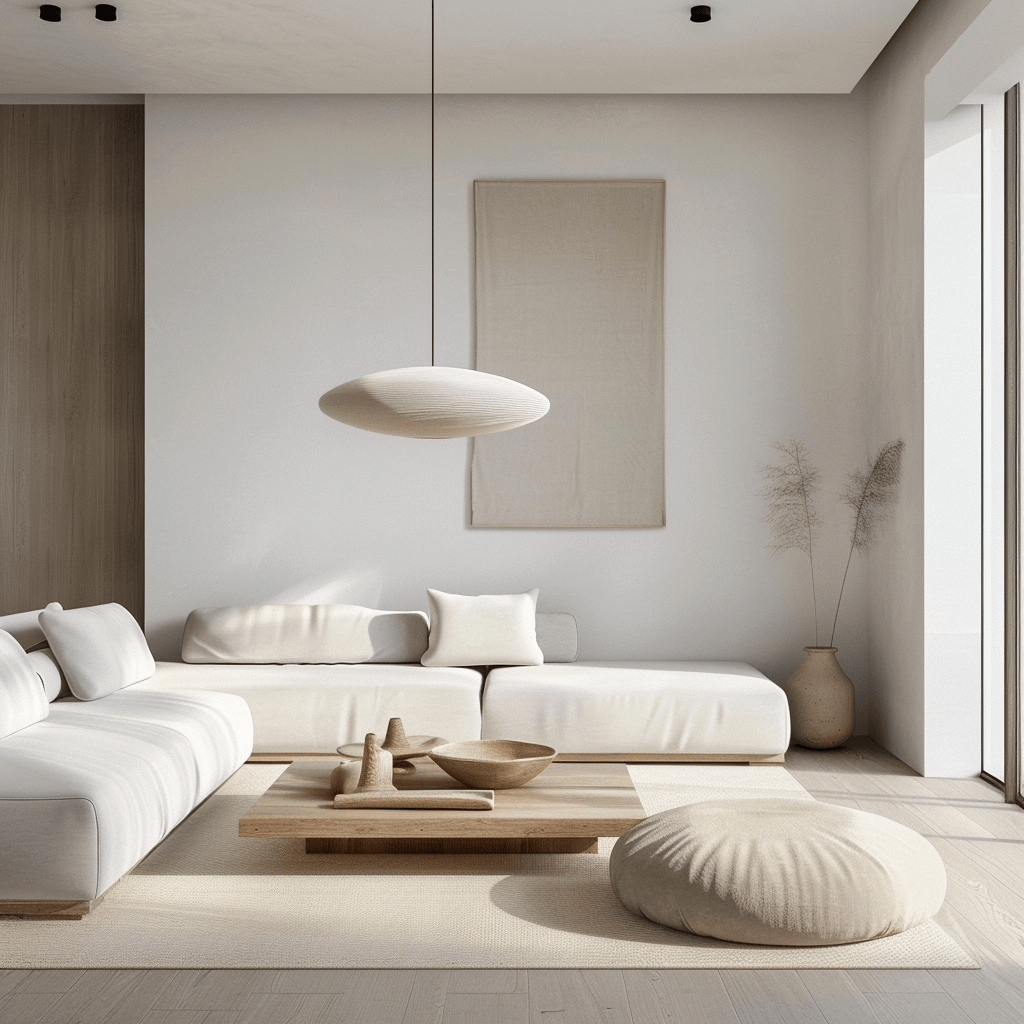
- Neutral tones, such as whites, grays, and beiges, create a calm and spacious environment. They allow individuals to relax and feel unencumbered, making them ideal for bedrooms and living areas.
- Bold colors, including deep blues or striking reds, can serve as vital focal points or accents in a minimalist setting. When applied judiciously, bold hues can add personality and enthusiasm to a room without overwhelming its simplicity.
- Soft hues, like pastel shades, evoke feelings of warmth and comfort. They are often used in spaces meant for social interaction, such as kitchens and dining rooms, to foster a sense of welcome and ease.
The Essential Role of Lighting
Beyond colors, lighting plays a pivotal role in how colors are perceived and how a space is utilized. Effective lighting can enhance the minimalist design by making spaces feel more expansive and inviting. Key aspects include:
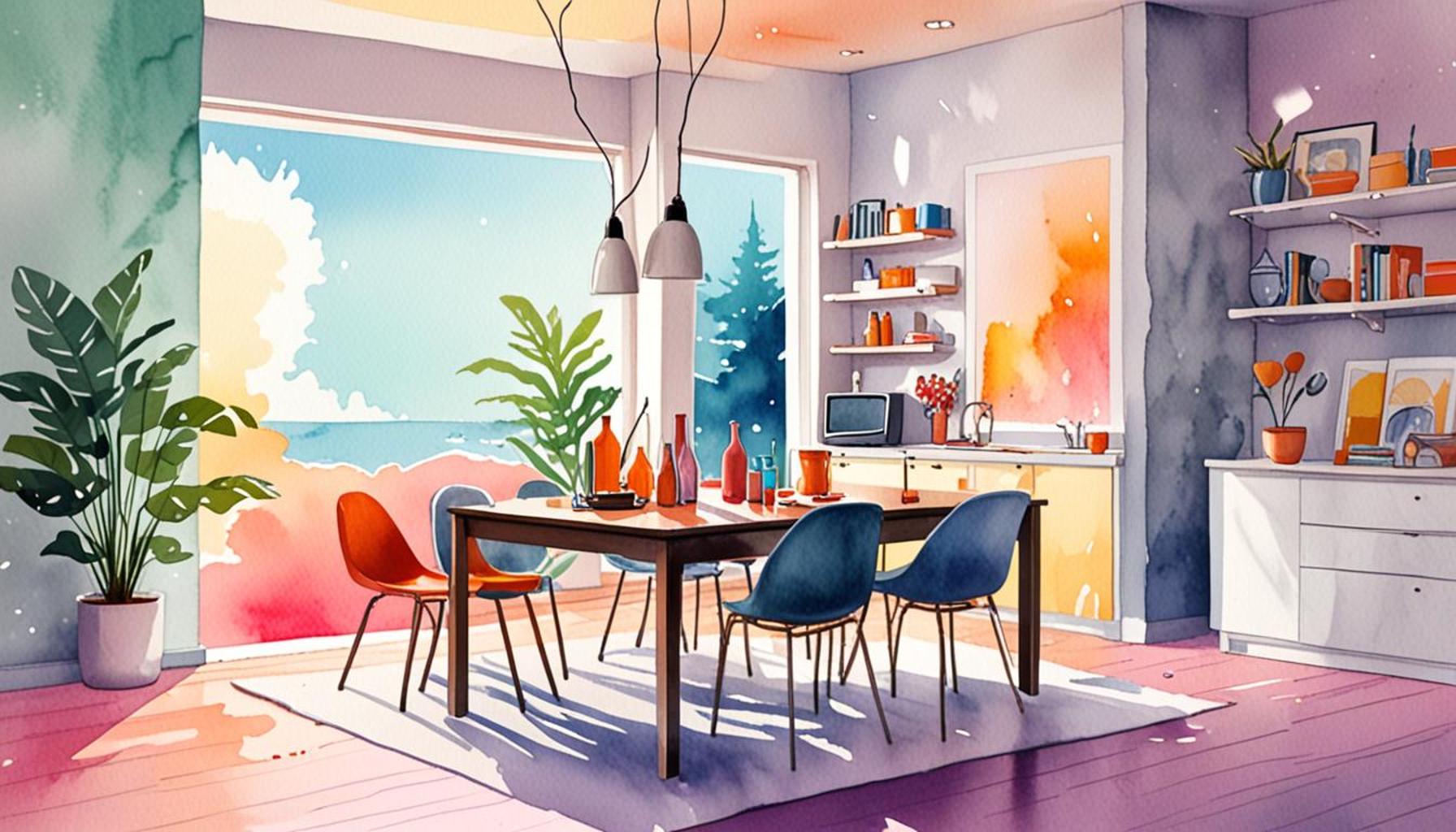
- Natural light significantly enhances the sense of openness and connection to the outside world. Large windows or strategically placed skylights allow sunlight to flood in, highlighting textures and surfaces while blurring the lines between indoor and outdoor environments.
- Layered lighting, which includes ambient, task, and accent lighting, can create depth and dimension. This technique highlights specific areas of interest while preserving an uncluttered aesthetic, enabling multipurpose functionality without compromising simplicity.
- Adjustable fixtures provide flexibility and control over the ambiance of a space. Dimmable lights can transform a room from bright and energetic to soft and intimate, accommodating various functions and moods throughout the day.
As we delve deeper into this intriguing subject, we will explore how color and lighting not only shape the aesthetics of minimalist spaces but also contribute profoundly to their functionality. Understanding these elements can unlock new dimensions in your design journey, empowering you to create environments that are not just visually appealing but also deeply comfortable and efficient. The thoughtful integration of color and lighting in minimalist design can ultimately lead to spaces that resonate with greater harmony and purpose.
DIVE DEEPER: Click here to discover mindful consumption tips
The Transformative Power of Color in Minimalist Spaces
Color is often considered one of the most influential tools in an interior designer’s arsenal, especially when creating functional minimalist spaces. The careful selection of colors can create a profound ambiance that shapes how we experience and interact with our surroundings. It is essential to understand that not all colors evoke the same response; cultural influences, personal preferences, and even psychological effects come into play.
For instance, cool colors such as blues, greens, and violets are known to promote tranquility and serenity. They are frequently incorporated in areas dedicated to relaxation and mindfulness, like bedrooms and meditation rooms. These hues can visually expand smaller spaces, making them feel more open and airy—an essential principle in minimalist design aimed at reducing visual clutter.
Alternatively, warm colors, including yellows, oranges, and reds, can invigorate a space, promoting energy and social interaction. These shades are particularly effective in communal areas, such as kitchens and dining rooms, where connecting with others is paramount. However, the balance is vital; too much warm color can overwhelm the minimalist ethos, leading to a chaotic atmosphere instead of a serene one.
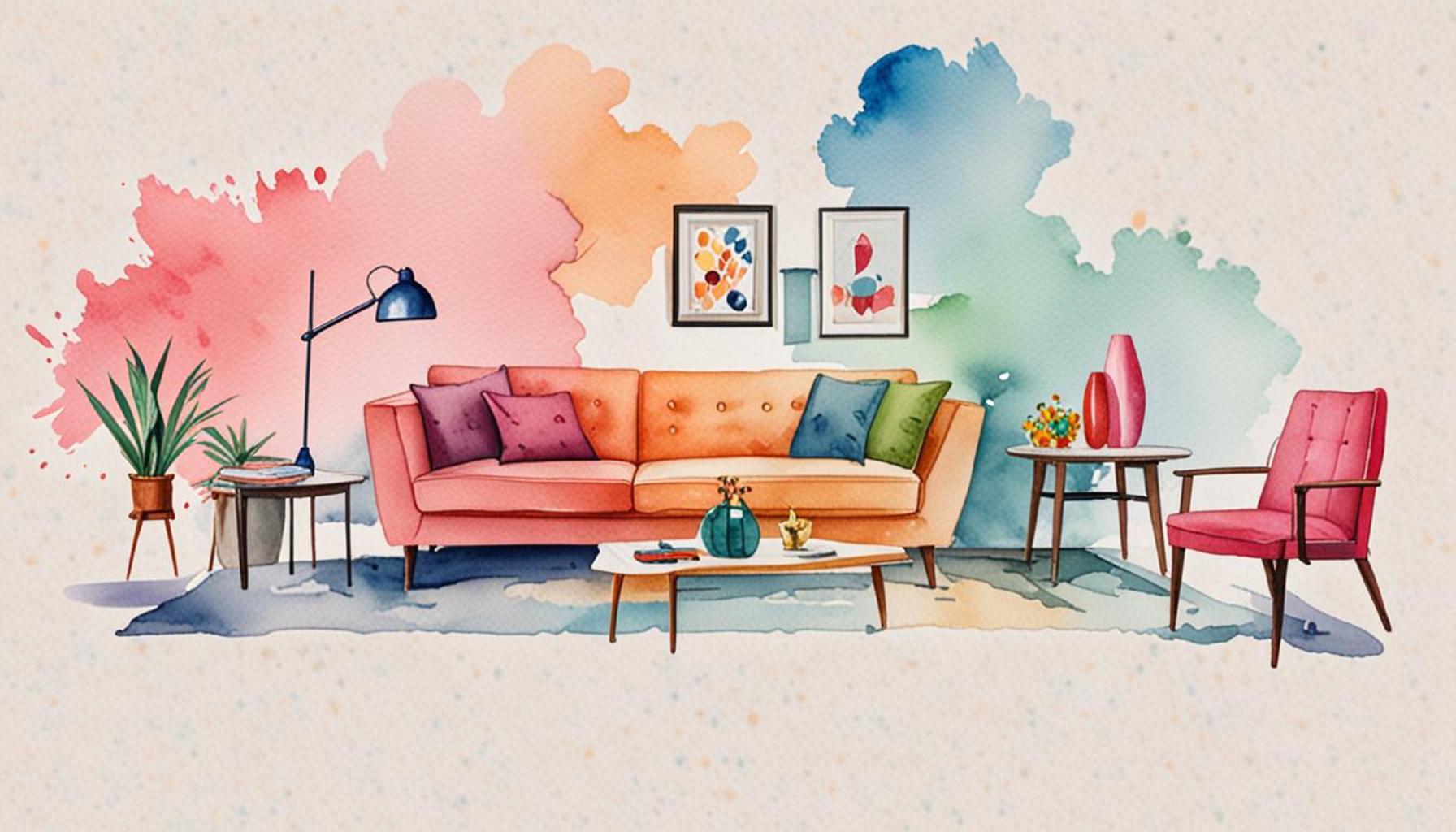
The concept of color blocking is also gaining traction in the realm of minimalist design. This technique involves applying bold colors to defined sections of a room, creating a striking yet organized look. It allows for personal expression while maintaining the minimalist ideology of simplicity and functionality. Strategically placed color accents can provide focal points, drawing attention to architectural features or art pieces without cluttering the overall design.
The Nuances of Lighting in Minimalist Environments
As we transition from color to another crucial element, lighting serves as more than just a practical necessity in minimalist spaces; it acts as a powerful enhancer of the overall design aesthetic. Proper lighting can transform the perception of colors, textures, and dimensions, making them appear more vivid and pronounced.
Furthermore, the natural light that floods through large windows or skylights acts as a dynamic design component, showcasing the minimalist principles of open space and unobstructed views. This approach fosters a strong connection with the outdoors, inviting nature inside and creating an expansive feeling that is particularly vital in urban environments where space is often confined.
Another essential aspect of effective lighting in minimalist design involves the use of layered lighting. By integrating multiple sources of light—ambient, task, and accent—designers can foster an inviting atmosphere that adapts to the time of day or the activity at hand. For example:
- Ambient lighting provides overall illumination, creating a warm base for the space.
- Task lighting focuses on specific areas, such as reading nooks or kitchen counters, enhancing functionality without detracting from the minimalist aesthetic.
- Accent lighting highlights artwork or architectural elements, adding depth and intrigue to the design.
With thoughtful consideration of both color and lighting, minimalist spaces can emerge as harmonious environments that promote tranquility, focus, and productivity. These elements work in synergy to create surroundings that are not just aesthetically pleasing, but also enhance the lived experience, illustrating the profound impact of design in our daily lives.
| Category | Details |
|---|---|
| Colors | Color psychology plays a pivotal role in minimalist design, influencing moods and perceptions. |
| Lighting | The right lighting can enhance spatial perception, making rooms appear larger and more inviting. |
| Harmony | A balanced color palette combined with optimal lighting creates a serene atmosphere. |
| Function | Functional minimalist spaces enhance productivity and tranquility through strategic color and light choices. |
| Emphasis | Proper use of colors and lighting can direct attention to focal points while minimizing distractions. |
Exploring the role of colors and lighting reveals how they intertwine to foster environments that prioritize functionality without sacrificing aesthetic appeal. Utilizing a subtle color palette not only elevates the decor but also interfaces with the natural or artificial lighting to enhance the overall impact of minimalist spaces. These choices directly contribute to a homeowner’s feeling of comfort and well-being, thereby making the spaces not only visually striking but also harmonious and conducive to daily activities. Integrating these principles of design can urge readers to reconsider their current choices and adapt their living or working environments to better reflect their lifestyle aspirations.
DISCOVER MORE: Click here to learn about conscious consumption
Integrating Colors and Lighting for Cohesive Design
The interaction between colors and lighting is crucial in the ongoing pursuit of creating functional minimalist spaces. It is not enough to choose a complementary color palette; the type, intensity, and placement of light play equally vital roles in accentuating or diminishing the desired aesthetic. As interiors become increasingly focused on functionality, the relationship between these two design components becomes more intricate.
One key factor that influences how colors are perceived is the color temperature of the lighting used within a space. Light sources are categorized into warm, cool, and neutral tones, measured in Kelvins (K). Warm lights (around 2700K-3000K) have a soft, yellowish hue that brings a sense of warmth and comfort, ideal for living areas and bedrooms. Conversely, cooler lights (5000K-6500K) are more closely associated with daylight, providing an invigorating effect suitable for workplaces or study areas. Understanding these nuances allows designers to tailor the lighting to complement the chosen color scheme effectively.
Furthermore, the direction of light can dramatically affect the ambiance and functionality of a minimalist space. Natural light, flooding in from large windows or cleverly placed skylights, can not only accentuate the color palette but also create intriguing shadows that add depth. This dynamic interplay can change throughout the day, encouraging a sense of fluidity that aligns well with the minimalist philosophy.
In addition to natural light, the use of artificial lighting should not be underestimated. Designers often favor integrated lighting solutions, such as recessed fixtures and under-cabinet lighting, which maintain clean lines essential in minimalist design. These fixtures can be seamlessly embedded into architecture, allowing light to disperse without obstructive elements, thus preserving the uncluttered ethos.
Color and Light in Spatial Perception
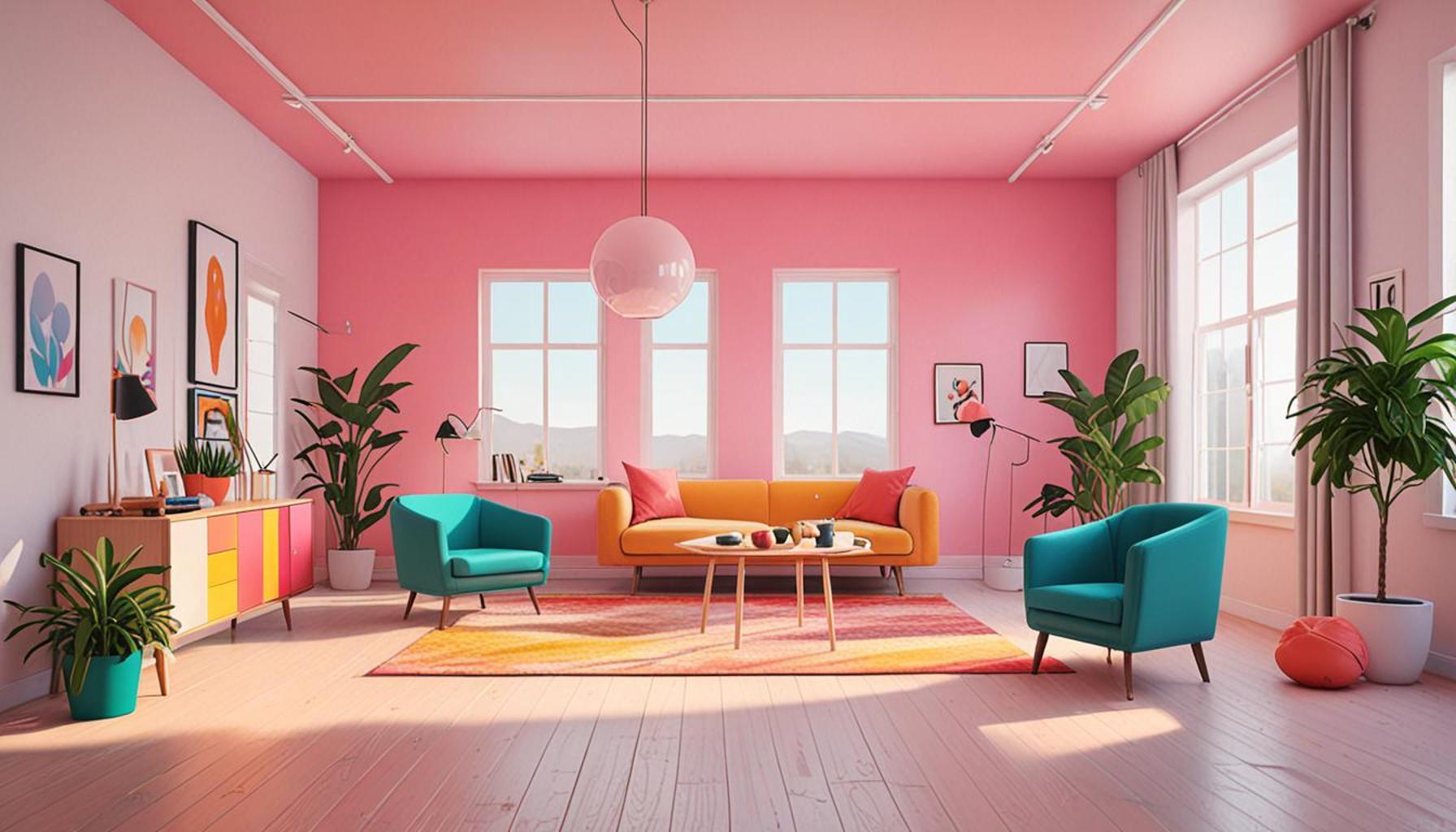
The combination of color and lighting significantly influences spatial perception. Light colors tend to reflect more light, making spaces appear larger and more open. Whites, light grays, and soft pastels can brighten confined areas, adding to the airy quality desired in minimalist environments. For example, utilizing a pale palette alongside ample natural light can make an apartment feel expansive, a sought-after characteristic in cities where square footage comes at a premium.
On the other hand, deeper shades can create an intimate and cozy atmosphere when paired with the right lighting. A deep navy blue accent wall in a bedroom, illuminated with soft, warm lighting, cultivates a retreat-like quality while keeping clutter at bay. Incorporating accent colors in furnishings, art, or decor—contrasted with lighter walls and adequate lighting—adds dimension without overwhelming the senses.
Additionally, the rise of smart lighting technologies has opened new avenues for enhancing minimalist spaces. Smart bulbs and systems enable users to customize lighting to suit specific needs or moods, allowing them to manipulate color temperatures and brightness levels based on daily activities or personal preferences. This adaptability directly complements minimalist design’s core principle of functionality—aligning the environment with the occupants’ lifestyles.
In essence, harmonizing color and lighting not only fosters aesthetic cohesiveness but also significantly enhances the functionality of minimalist interiors. By manipulating these elements thoughtfully, designers can create dynamic, responsive spaces that continue to resonate with those who inhabit them. Understanding this relationship is essential for anyone looking to explore the transformative potential of minimalist design in their surroundings.
DISCOVER MORE: Click here to enhance your productivity
Conclusion
In the realm of functional minimalist spaces, the synergy between colors and lighting emerges as a pivotal force, shaping both aesthetics and livability. As this article illustrates, the artful integration of these elements can transform any area into a sanctuary of tranquility and purpose. By employing light colors combined with the strategic use of natural and artificial lighting, designers can not only enhance spatial perception but also evoke emotional responses that resonate with the inhabitants.
The understanding of color temperature further underscores the importance of light in determining the mood and usability of a space. Armed with this knowledge, one can tailor environments that reflect personal lifestyles and preferences, thus aligning perfectly with the minimalist ethos of “less is more.” As technology evolves, the advent of smart lighting provides a unique opportunity to redefine how spaces are experienced, creating personalized atmospheres at the touch of a button.
Ultimately, grasping the role of colors and lighting lays the foundation for crafting spaces that are not just visually appealing but also functional and harmonious. As more individuals seek simplicity in their living environments, the exploration of these intertwined design elements remains vital. It invites further investigation and experimentation, challenging traditional paradigms while fostering innovative approaches to contemporary architecture and interior design.