Minimalism in Closet Organization: Strategies to Maximize Functionality
Understanding Minimalism in Closet Organization
Closet organization can often feel overwhelming, resembling an insurmountable task filled with clothes, shoes, and accessories vying for space. However, embracing minimalism transforms this chaotic endeavor into a liberating and rejuvenating process. Minimalism is not merely about reducing the number of items; it’s a mindset shift that prioritizes functionality and intentionality in your living space. By focusing on what truly matters, it provides clarity, both visually and mentally, allowing for a more peaceful and manageable environment.
At the heart of minimalist closet organization are several core principles that guide the process, making it both effective and sustainable:
- Decluttering: This first step is critical. Assess your wardrobe and remove items that are rarely worn, damaged, or no longer serve a purpose. The Marie Kondo method, for instance, promotes keeping only those items that “spark joy.” This method encourages a reflection on your attachments to belongings, aiding in making mindful decisions about what to keep.
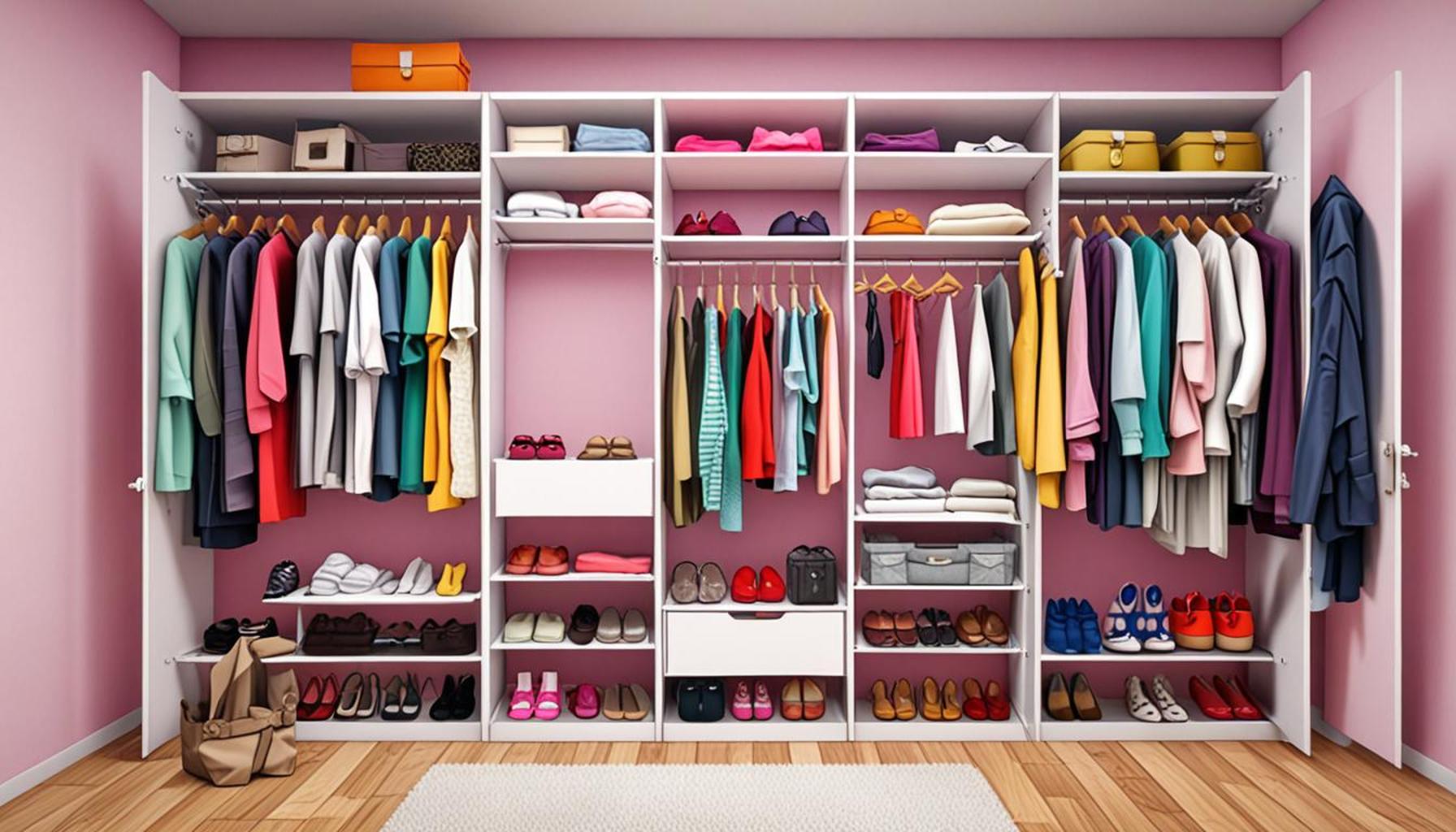
- Strategic Storage Solutions: Maximizing space is essential for an efficient closet. This can be achieved by utilizing shelves, bins, and dividers. Consider investing in vertical storage to utilize every inch of your closet. For example, using cascading hangers can save space while organizing clothing by type or color, which not only looks appealing but also simplifies choice during busy mornings.
- Mindful Purchasing: Minimalism also extends beyond organization into the realm of consumer behavior. Opting for quality items over quantity ensures that every piece serves a valuable purpose in your wardrobe. For instance, instead of buying five fast-fashion dresses, consider investing in one high-quality, timeless dress that you can wear in various ways for numerous occasions. This approach not only reduces clutter but also promotes sustainable living.
Implementing these strategies can maximize functionality significantly. According to studies, an organized closet can save you an average of 30 minutes per week. This might not seem substantial at first glance, but over time, that adds up to over 26 hours a year—time that can be better spent on hobbies, family, or rest. Imagine the boost in productivity, serenity, and overall satisfaction this efficiency can bring to your daily routine!
In the following sections, we will explore actionable methods tailored specifically for various types of closets—whether it’s a small reach-in closet or a more expansive walk-in space. Each strategy is designed to empower you, helping you take control of your space and, ultimately, your lifestyle for a more fulfilling and enjoyable environment.
DISCOVER MORE: Click here for tips on maximizing small spaces
Effective Strategies for Minimalist Closet Organization
The journey towards a more organized and functional closet begins with intentional strategies that promote a minimalist approach. As you dive into the world of closet organization, consider these essential tactics, each designed to streamline your space while ensuring that what remains is both useful and meaningful.
- Assess and Categorize: Begin by emptying your closet completely. This fundamental step allows you to assess the items you own. Next, categorize everything into groups—such as shirts, pants, outerwear, and accessories. This process not only provides a visual representation of your wardrobe but also highlights overlaps and gaps in your collection, making it easier to decide what to keep, donate, or discard.
- Use the One-Year Rule: If an item hasn’t been worn in the past year, it may be time to let it go. This rule encourages you to critically evaluate each piece’s relevance in your life, ensuring that your closet reflects your current style and lifestyle needs. You will be surprised at the number of items that linger, untouched for years.
- Designate a Home for Everything: Once you’ve narrowed down your wardrobe, it’s crucial to assign a specific place for every item. This structured approach reduces clutter and confusion, allowing you to find what you need quickly. Consider using clear bins or labeled containers for smaller accessories to keep them organized, which makes them easier to access without creating a mess.
- Embrace Multi-Functional Items: In the spirit of minimalism, select clothing and accessories that offer versatility. For example, a well-tailored blazer can transition from the office to a night out with a simple change of accessories. Focus on building a capsule wardrobe where pieces work harmoniously together, reducing the total number of items while enhancing outfit options.
These strategies not only lead to a more organized closet but also free up mental space. Research indicates that a clutter-free environment can lead to reduced stress and improved focus—benefits that extend beyond your closet and into other areas of life. The American Psychological Association has found that physical clutter can act as a constant distraction, making it harder to concentrate and enjoy your space.
As you implement these strategies, remember to embrace flexibility. Minimalism doesn’t mean living without your favorite things; instead, it’s about maintaining an intentional curated collection that enhances your life. In the following sections, we will delve into specific closet types to provide tailored guidance and innovative solutions that will elevate your closet organization to the next level.
Maximizing Space with Minimalism
When it comes to decluttering and organizing your closet, the minimalist approach advocates for a curated collection of items that you truly need and love. One effective strategy is to adopt the “one-in-one-out” rule, which encourages you to remove an item each time you add something new. This practice ensures that your closet remains streamlined and manageable, reducing the temptation to accumulate unnecessary pieces.Another key aspect of minimalism in closet organization is the concept of categorization. By grouping similar items together – such as tops, bottoms, and accessories – you enhance functionality and make it easier to find what you need. Utilizing clear storage solutions, such as bins or boxes, can further aid in maintaining a tidy space while visually showcasing your curated collection. Incorporating adjustable shelving systems can also be a game changer. Such systems allow you to customize your storage space according to your changing needs, ensuring that no area goes underutilized. You can easily rearrange your closet as your wardrobe evolves, keeping everything organized and accessible.
The Role of Mindful Purchases
Adopting a minimalist mindset not only streamlines your closet but also encourages mindful purchasing. Before acquiring new items, consider their versatility and durability. Investing in quality over quantity ensures that each addition to your wardrobe is functional and serves a purpose, fostering a lasting relationship with your belongings. One popular strategy is to create a digital wardrobe, where you photograph your clothing items and categorize them online. This not only enables you to visualize what you own but eliminates the need for excessive physical storage. In summary, minimalism in closet organization provides a pathway to maximize functionality while promoting a thoughtful approach to your wardrobe. By implementing these strategies, you transform your space into an efficient, aesthetic, and purposeful area that reflects your personal style without the clutter.
DIVE DEEPER: Click here to discover essential techniques
Innovative Solutions for Maximizing Closet Space
When it comes to achieving a minimalist closet, maximizing your space is essential to ensure that each item serves a purpose and can be accessed with ease. Adopt these innovative solutions that will enhance your closet organization while promoting a streamlined aesthetic.
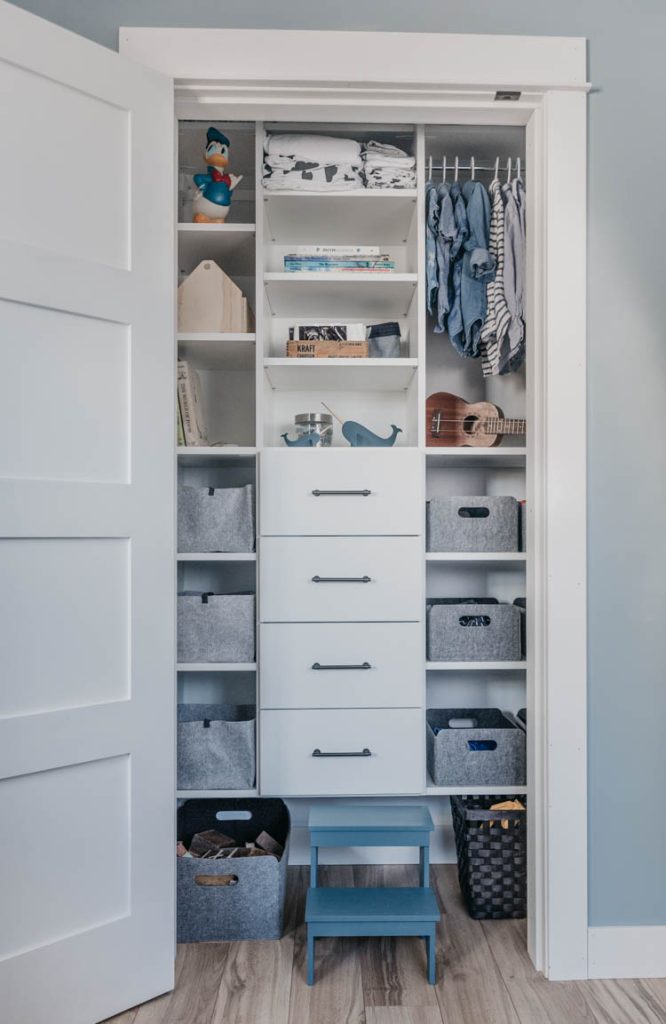
- Vertical Space Utilization: Many closets suffer from underutilized vertical space. Adding shelves above existing storage or using tiered hanging organizers can significantly increase your storage capacity. Consider wall-mounted hooks or pegboards for accessories like bags and hats, allowing them to double as decorative elements while remaining functional.
- Seasonal Rotation: A strategic approach to closet organization involves rotating your clothing by season. Store out-of-season items in clearly labeled bins or vacuum-sealed bags under your bed or on high shelves. This not only clears up precious hanging or drawer space but also creates a visually appealing environment, making it easier to select outfits relevant to the current season.
- Drawer Organizers: Introducing drawer organizers for smaller items such as socks, ties, or jewelry is a must. These affordable solutions ensure that everything has its place and prevents the all-too-common problem of rummaging through piles to find what you need. Utilizing dividers can transform a chaotic drawer into a well-ordered system, promoting efficiency in your daily routine.
- Incorporate Transparent Storage Solutions: When everything is kept in closed cabinets, it can be easy to forget what you own. Utilizing clear storage bins or open shelving allows you to see your items at a glance, making it simpler to choose outfits without unnecessary clutter. This visual accessibility encourages you to make use of every item, enhancing each piece’s functionality.
The concept of minimalist closet organization is not only about the physical arrangement but also about enhancing your relationship with your belongings. Each choice should reflect your aspirations and personal style, creating an environment that inspires creativity and ease. According to the National Association of Professional Organizers, a well-maintained and thoughtfully organized closet can save you an average of 10 minutes a day when dressing, ultimately contributing to better time management throughout your day.
Mindful Shopping: The Key to Sustainable Minimalism
An often-overlooked aspect of minimalism in closet organization is the mindful approach to purchasing new items. Avoid impulsive buys by creating a list before shopping and adhering to the 30-Day Rule: If you’re considering an item, wait 30 days before purchasing it. This cooling-off period allows you to contemplate whether the item truly complements your existing wardrobe and lifestyle instead of being a fleeting desire.
Moreover, when acquiring new clothes, prioritize quality over quantity. Investing in timeless pieces made from durable materials can result in fewer purchases over time, ultimately contributing to a sustainable wardrobe ethos. Brands that promote sustainable practices are increasingly available, aligning with a minimalist vision that values both functionality and ethics.
Ultimately, the key to successful closet organization lies in intentionality. Every choice reflects your commitment to minimizing clutter while enriching your life with functional, meaningful pieces. As you incorporate these strategies, your closet will not only become a bastion of organization but also a source of daily inspiration.
DISCOVER MORE: Click here to uncover the art of letting go
Conclusion: Embracing Minimalism for a Functional Closet
The journey toward achieving a minimalist closet organization is both transformative and liberating. By embracing strategic methods such as vertical space utilization, seasonal rotations, and mindful shopping, you can maximize your closet’s functionality while enhancing the overall aesthetics of your space. It is essential to view your closet not just as a storage area but as a curated collection that represents your personal style and values.
As you implement the innovative solutions discussed, remember that the goal of minimalism is to make your life simpler and more intentional. Each item you own should serve a specific purpose, contributing to an organized environment that inspires creativity and eases daily routines. With time-saving benefits that can average 10 minutes a day, a well-structured closet fosters efficiency, allowing more focus on what truly matters.
Ultimately, the practice of mindful shopping underscores the ethos of minimalism. By prioritizing quality over quantity and allowing yourself the necessary time to assess potential purchases, you create a sustainable wardrobe that brings joy and utility into your life. Leading with intention will not only enhance your closet organization but also foster a more conscious lifestyle.
As you take steps toward a minimalist closet, envision the profound impact this can have—not just in your home, but in your daily life. Reimagine your wardrobe as a reflection of your values and aspirations, and step into a world where simplicity breeds clarity, confidence, and creativity.