How to Create Functional Minimalist Spaces at Home: Personal Organization Tips
The Shift Toward Minimalism in Home Décor
In today’s fast-paced world, the need for serenity at home has never been more crucial. Many people are finding solace in minimalist living, which is focused on fostering tranquility and enhancing productivity. The essence of minimalism lies in the principle of “less is more,” but how can you translate this philosophical approach into practical steps for your living spaces?
To create a truly functional minimalist space, consider implementing these essential aspects:
- Decluttering: This is the first and perhaps most impactful step. Begin by assessing your belongings. Challenge yourself to remove items that no longer serve a purpose or bring joy. Simplifying your environment can be as straightforward as adopting the “one in, one out” rule when introducing new items into your home. For instance, if you buy a new sweater, consider donating one from your collection.
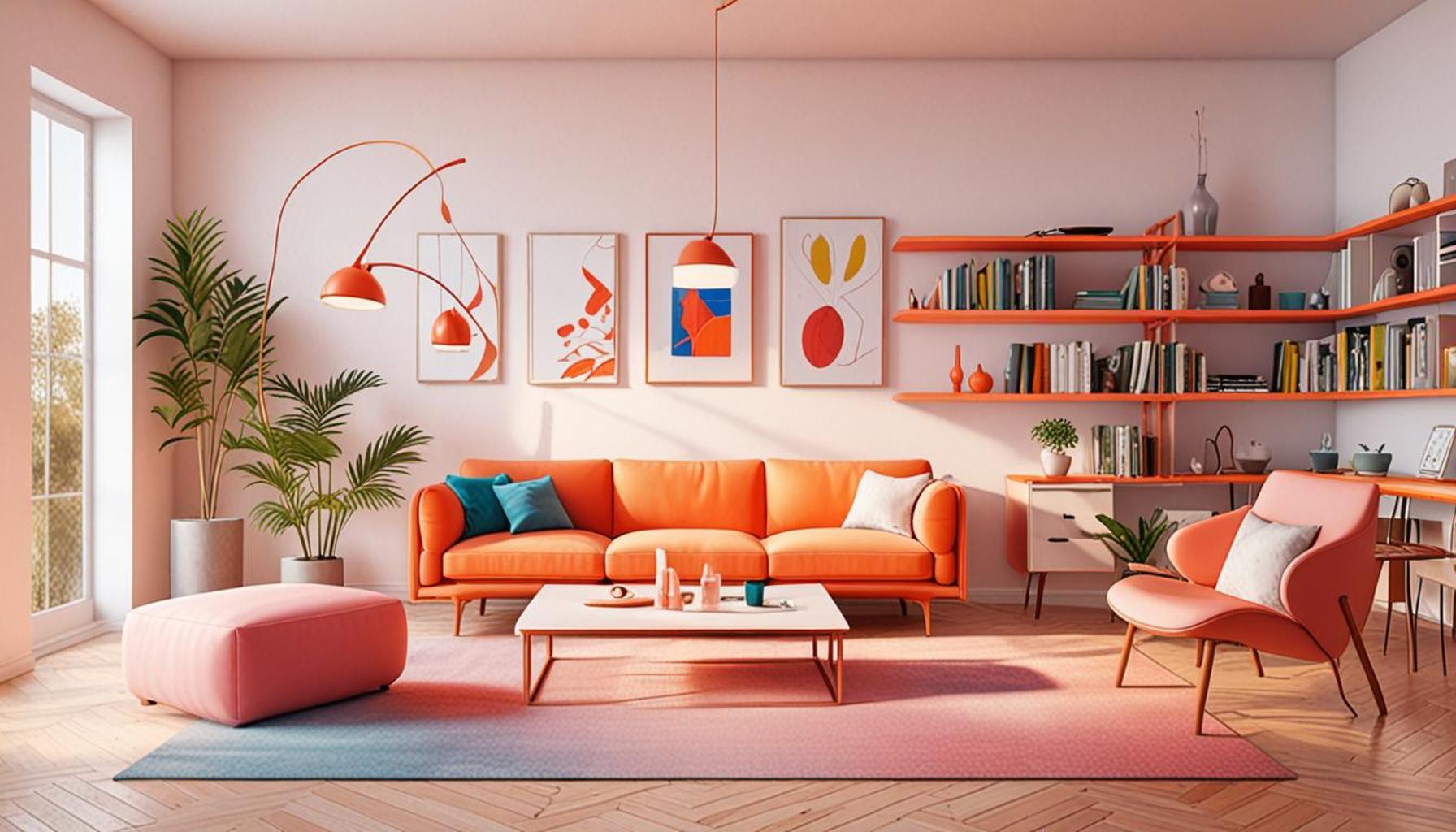
- Functional Furniture: Opt for pieces that serve multiple purposes to maximize space efficiency. Consider a sofa bed for your living room that accommodates guests without the need for a separate guest room. A coffee table with storage compartments can double as both a surface for your drinks and a discreet storage solution for magazines and remote controls.
- Neutral Colors: Choosing a simple and cohesive color palette can evoke feelings of calmness and promote a sense of order. Soft whites, muted grays, and natural earth tones can make a space feel larger and more tranquil. Think about how a monochromatic scheme can unify your environment and complement natural light, creating an airy, open feel.
The impact of these choices goes beyond aesthetics; they can enhance your overall well-being. Research shows that organized spaces can significantly reduce stress levels and enhance focus. According to a study by the Princeton University Neuroscience Institute, clutter can overload the brain and reduce our ability to concentrate. Thus, simplifying your environment not only creates a visually appealing space but also positively influences your mental clarity.
As you embark on this minimalist journey, remember that the goal is to create a home that reflects your lifestyle and promotes efficiency. Embracing functional minimalism doesn’t require sacrificing comfort; rather, it’s about enhancing the quality of your living environment. Whether you are starting fresh or transforming your existing spaces, applying these organization tips will guide you toward achieving a serene and productive atmosphere.
To explore further, consider visiting local stores that specialize in minimalist design, or look online for inspiration from minimalist influencers who demonstrate creative ways to downsize and declutter their living spaces. The journey can be a rewarding experience, leading to a home that appears serene, feels spacious, and ultimately supports a fulfilling lifestyle.
DISCOVER MORE: Click here to unlock the secrets of efficient storage
Embracing Simplicity: Essential Tips to Transform Your Space
When it comes to creating functional minimalist spaces at home, the cornerstone lies in thoughtful organization. The process of personal organization not only enhances the visual appeal of your living areas but also promotes a lifestyle centered around efficiency and clarity. Here are some practical tips to help you achieve a serene and productive atmosphere:
- Establish Clear Zones: To foster functionality, designate specific areas for various activities such as relaxation, working, or dining. For example, use rugs to visually separate spaces in larger rooms or strategically place furniture to define different functions. This approach helps streamline daily activities, reducing distractions and allowing you to focus on one task at a time.
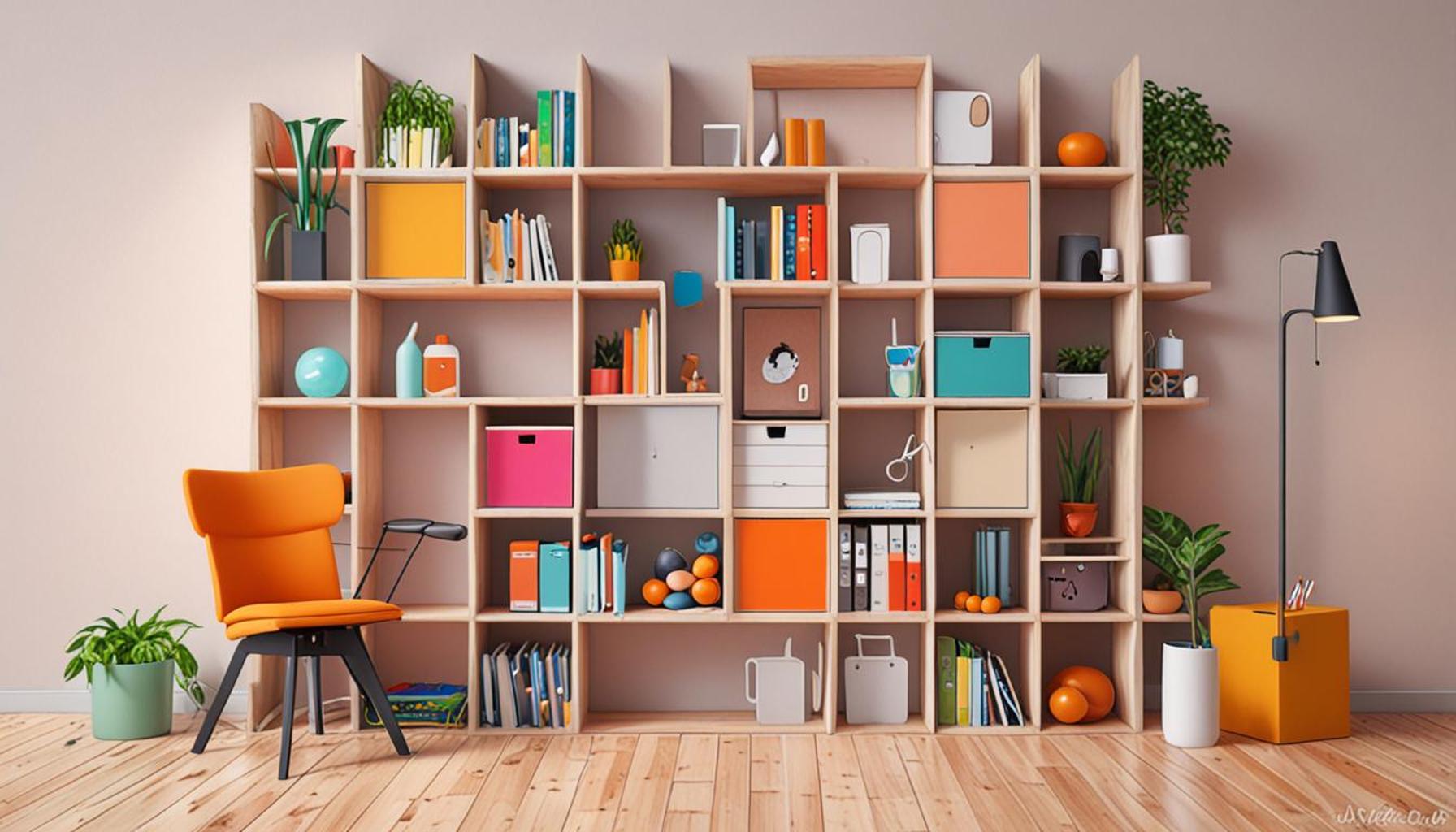
- Storage Solutions: Consider incorporating creative storage options that blend seamlessly with your décor. Hidden storage, like benches with storage underneath or modular shelving, can keep items organized without cluttering your visual space. Additionally, clear storage bins can help you maintain a tidy look while allowing easy access to seasonal items or office supplies.
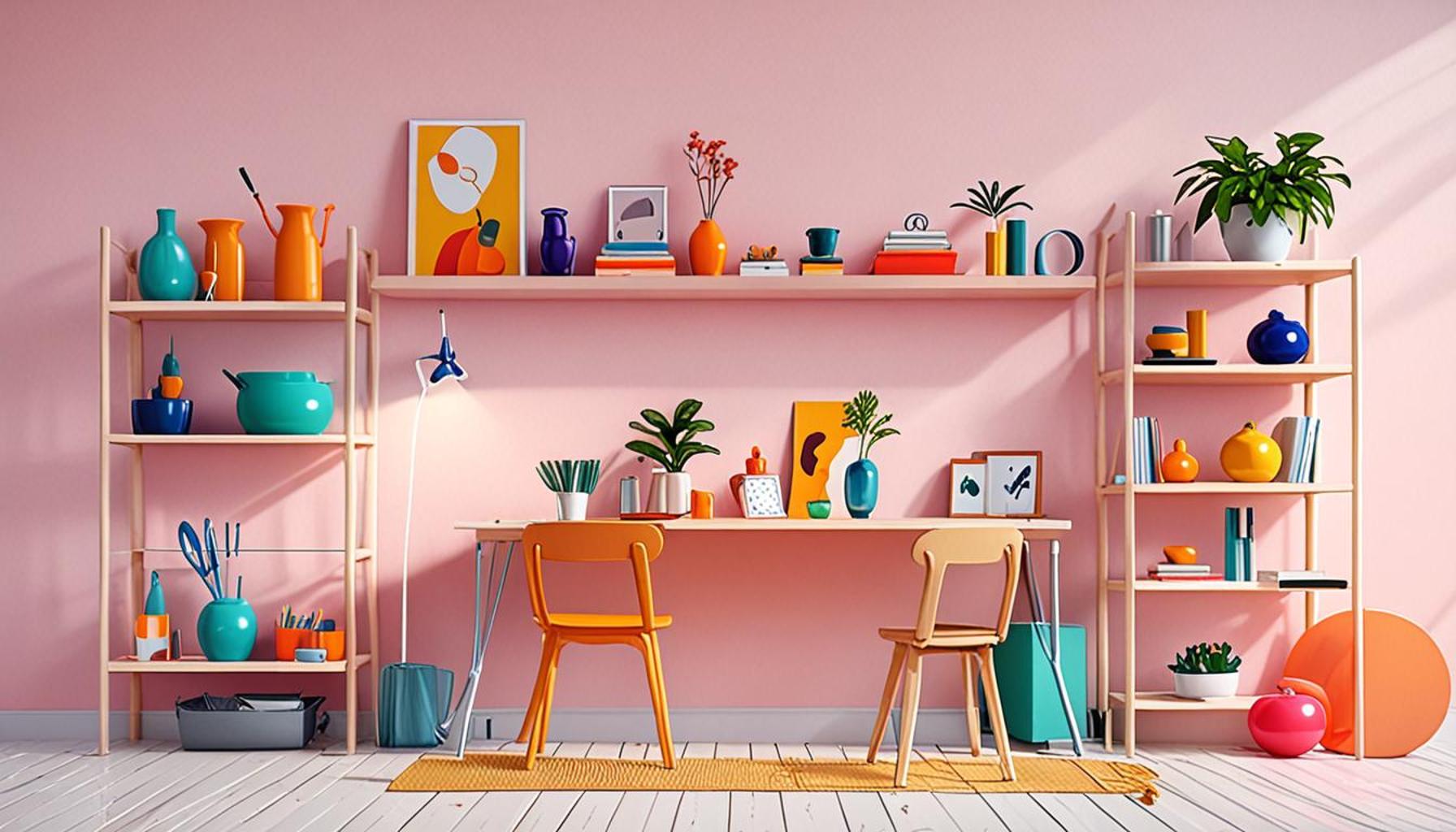
- Limit Decorative Pieces: In minimalist design, decoration should serve a purpose. Choose a few carefully curated items that resonate with you, such as a piece of art or a favored plant. This not only adds character to your space but also avoids the overwhelming feeling of excessive ornamentation. Remember, each item should contribute to the overall sense of peace and harmony in your home.
- Use Vertical Space: If you find floor space limited, don’t forget to look upward. Vertical shelving can help you display books or decor without compromising on floor space, giving the illusion of a larger room while keeping essentials within reach. Floating shelves or wall-mounted cabinets provide functionality and maintain a streamlined, open feel.
By applying these organizing strategies, you can turn your home into a sanctuary that embodies the principles of functional minimalism. The benefits of such a transformation extend beyond aesthetics. In fact, studies indicate that well-organized spaces can significantly boost productivity and creativity. The American Psychological Association cites that a clutter-free environment positively impacts stress levels, allowing individuals to think more clearly and feel more balanced.
As you implement these tips, keep in mind that personal organization is an ongoing process. Regularly reassess your belongings and adapt as needed to maintain a minimalist lifestyle that reflects your evolving needs. A well-organized home fosters a sense of peace and serves as a foundation for personal growth and well-being.
To dive deeper into the world of minimalism, explore online resources that highlight innovative storage solutions and the latest trends in minimalist design. Additionally, consider connecting with local workshops or community groups focused on minimalist living. The commitment to a simpler, more organized life is a journey worth embarking upon, one that can lead to greater fulfillment and tranquility in your everyday environment.
Maximizing Space with Decluttering Techniques
Creating functional minimalist spaces at home starts with effective decluttering. Before organizing, assess each room and categorize items based on their utility and emotional value. Consider the Marie Kondo method, which encourages keeping only those items that “spark joy.” This practice not only leads to a tidier environment but fosters a more peaceful mindset. Donating or repurposing unused items reduces clutter and contributes to a sustainable lifestyle.
Strategic Storage Solutions
Once decluttering is complete, focus on strategic storage solutions. Utilize multifunctional furniture, like ottomans with storage space or beds with drawers, to maximize capacity without sacrificing style. Open shelving can display decorative items while keeping necessities within reach. The integration of hidden storage options, such as under-bed boxes or wall-mounted baskets, not only keeps spaces organized but encourages a streamlined appearance.
Establishing Zones for Productivity
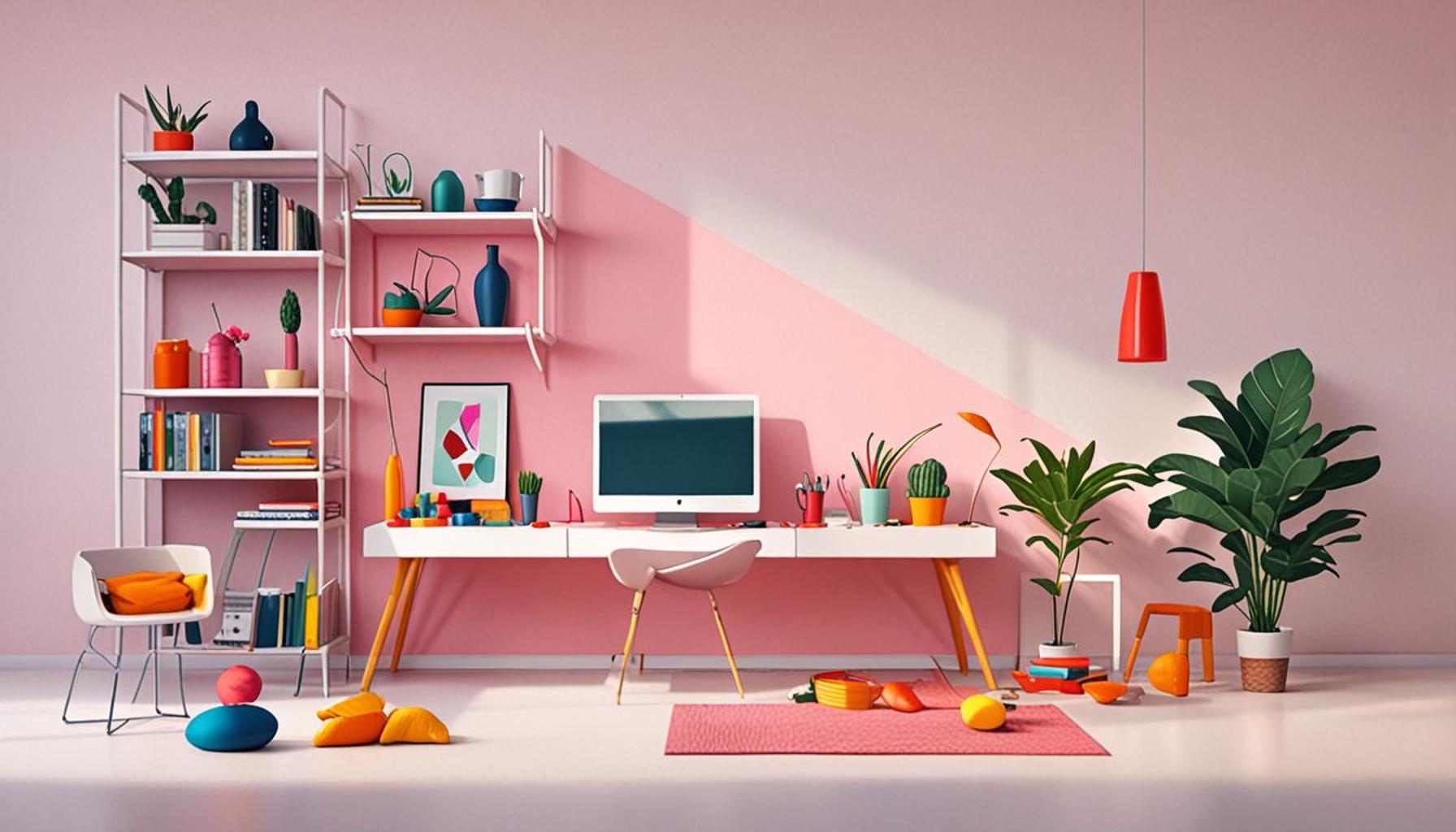
Organizing your home into specific zones can enhance productivity and maintain minimalist aesthetics. Designate areas for different activities—like a quiet reading nook or a minimalistic home office with essential equipment like a sleek desk and ergonomic chair. By aligning your space with purpose, you create an environment that fosters creativity and functionality, allowing you to utilize each area effectively.
Integrating Color and Texture while Minimizing Clutter
The choice of color and texture plays a crucial role in defining minimalist spaces. Opt for a neutral palette that promotes tranquility, accentuated with carefully chosen décor items. Textured throws, accent cushions, or artwork can add character without overwhelming the senses. Remember, the goal is to create a harmonious atmosphere that reflects personal style while remaining functional.
Routine Maintenance for Lasting Order
Finally, incorporating a routine maintenance schedule is essential for preserving a minimalist home. Set aside time weekly to reassess your space, ensuring that items stay in their designated areas. Consider implementing a 5-minute declutter rule, where you tackle small messes immediately after they occur. By committing to regular upkeep, you maintain the integrity of your functional minimalism.
| Category | Advantages |
|---|---|
| Decluttering | Fosters a peaceful mindset and enhances space utility. |
| Strategic Storage | Maximizes space while maintaining style and organization. |
LEARN MORE: Click here to discover how to teach values of conscious consumption
Building a Mindful Minimalist Approach
Transforming your home into a functional minimalist space requires not just a strategy, but a mindset shift. To maintain a minimalist lifestyle, consider the following practices that encourage mindfulness and sustain your organized space:
- Practice the One-in-One-out Rule: To prevent clutter accumulation, adopt the one-in-one-out rule. Every time you acquire a new item, commit to letting go of an old one. This principle not only helps you maintain an organized home but encourages you to consider the necessity of each purchase. This practice cultivates a practical approach to acquiring belongings, ensuring they serve a meaningful purpose in your life.
- Embrace Digital Organization: In today’s technology-driven world, digital clutter can be just as overwhelming as physical items. Take the time to organize your digital files by creating folders, deleting unnecessary documents, and using cloud storage solutions. A streamlined digital space contributes significantly to a more serene home environment and can enhance your productivity, especially if you work from home.
- Assess and Reflect: Set aside time regularly—whether monthly or quarterly—to assess your belongings and reflect on what you truly value. Minimalism isn’t just about reduction; it’s about making space for what truly matters. Consider journaling about items that bring you joy or ways your living spaces can better accommodate your lifestyle. This reflective practice reinforces your commitment to simplicity.
- Invest in Versatile Furniture: Look for furniture that serves multiple functions. A sofa bed in the living room doubles as a guest bed, while an expandable dining table can adapt to your hosting needs. Multifunctional pieces minimize the number of items in your home and maximize usable space, making your living area more adaptable and efficient.
Incorporating these mindful practices encourages a more intentional approach to living that can transform your home into a tranquil sanctuary. A 2021 report from the National Sleep Foundation highlights that a well-organized space can improve sleep quality, underscoring the importance of minimalism in enhancing overall well-being.
For many, the journey towards minimalism can be daunting. However, small, consistent steps can lead to significant changes over time. Look for inspiration from minimalism advocates, such as Marie Kondo or The Minimalists, to empower you on your journey. Their strategies and insights can provide fresh perspectives on how to declutter not just your home, but your mind as well.
Moreover, consider exploring community resources, such as local flea markets or donation centers, to help you reduce unwanted items while fostering a sense of community. Engaging with others who share similar values can provide motivation and encouragement as you navigate this lifestyle change.
Remember, the goal of creating functional minimalist spaces at home is not just about decluttering. It’s about creating a harmonious environment that reflects your values and brings clarity to your life. By combining intentional organization with mindful living, you’ll create a space that nurtures both creativity and calmness, allowing you to thrive in every aspect of your life.
DISCOVER MORE: Click here to learn about the value of natural light
Embracing the Minimalist Lifestyle
As we draw the curtain on our exploration of functional minimalist spaces at home, it is important to recognize that minimalism is more than just a design trend; it is a lifestyle choice that champions clarity and purpose. By implementing strategies like the one-in-one-out rule, digital organization, and intentional reflection, you can create a living space that truly resonates with your values and aspirations. The multitude of benefits—from enhanced creativity to improved mental well-being—are well-documented and serve as a compelling incentive to embrace this way of living.
Furthermore, consider the transformative power of versatile furniture, which allows for greater flexibility in your space without the burden of excess clutter. In a world that often prioritizes material accumulation, adopting a minimalist approach not only creates a more aesthetically pleasing environment but also encourages mindful consumption. This shift can lead to a more fulfilling life, turning your home into a sanctuary that supports your personal growth and well-being.
For those unsure about where to begin, remember that change does not have to be overwhelming. Each small step toward reducing clutter can lead to a notable impact. Look to established figures in the minimalist community for inspiration, share your journey with others, and engage with resources in your area to cultivate a supportive network.
In conclusion, creating a functional minimalist space is about fostering peace, enhancing productivity, and enriching your life. By prioritizing intentionality over excess, you can cultivate a harmonious home environment that allows you to thrive in all aspects of life. Embrace the journey, and let your minimalist philosophy reflect the clarity and purpose you aspire to achieve.