Menu

Minimalist Living Spaces: How to Create Environments that Foster Meaningful Social Interactions

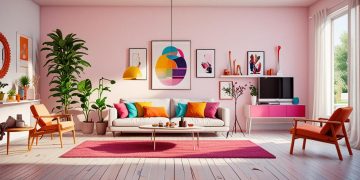
Minimalist living spaces emphasize simplicity and functionality, creating environments that foster meaningful social interactions. By prioritizing decluttered areas, functional furniture, natural light, and adaptable layouts, these spaces enhance connection and communication, inviting deeper relationships among family and friends in a serene, welcoming atmosphere.

The influence of minimalism on the arrangement of functional storage spaces

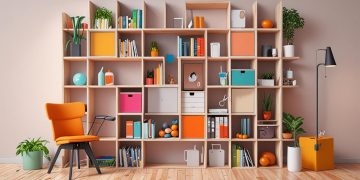
This article explores how minimalism influences the design of functional storage spaces, promoting simplicity, functionality, and sustainability. By emphasizing a clutter-free environment, minimalism enhances organization and mental well-being, encouraging individuals to reflect on their belongings while creating aesthetically pleasing and efficient storage solutions in modern homes.

How to Create Functional Minimalist Spaces at Home: Personal Organization Tips

Discover essential tips for creating functional minimalist spaces at home through effective organization and mindful living. Embrace decluttering, multifunctional furniture, and intentional design methods to enhance serenity and productivity in your environment, ultimately leading to a more fulfilling and tranquil lifestyle.

The psychology of minimalist functional spaces: creating environments that stimulate mental clarity and creativity

Minimalist functional spaces promote mental clarity and creativity by emphasizing simplicity, intentional design, and natural light. By reducing clutter and distractions, these environments foster focus and innovation, ultimately enhancing well-being and productivity. Personal touches within minimalist settings further enrich emotional connection, unlocking individual potential for creative expression.

Minimalism in Closet Organization: Strategies to Maximize Functionality

Embrace a minimalist approach to closet organization by focusing on functionality and intentionality. Key strategies include decluttering, utilizing vertical space, and practicing mindful purchasing. These methods not only enhance your closet's efficiency but also promote a simplified, aesthetically pleasing environment that reflects your personal style.

Minimalism and functionality: how to choose versatile furniture that maximizes space

This article explores the principles of minimalism and functionality in home design, offering tips on selecting versatile furniture that maximizes space. Focused on multi-functional pieces, adaptable designs, and cohesive aesthetics, it highlights how thoughtful choices can create a serene and organized living environment, reflecting personal style and promoting tranquility.

Transforming Small Spaces into Functional Areas: The Role of Minimalism in Home Optimization

Explore the transformative power of minimalism in optimizing small spaces. By embracing decluttering, multi-functional furniture, and thoughtful design, individuals can creatively redefine their homes, enhancing both functionality and aesthetics. This approach fosters a calming environment, making compact living areas inviting and efficient for modern lifestyles.

The role of colors and lighting in the creation of functional minimalist spaces

This article delves into the crucial role of colors and lighting in crafting functional minimalist spaces. By examining color psychology and lighting techniques, it highlights how these elements enhance aesthetics and atmosphere, fostering tranquility and practicality while promoting a harmonious living environment that embodies the minimalist ethos.

The importance of functionality in minimalist workspaces

Modern workspaces prioritize functionality and minimalism to boost productivity and well-being. By reducing clutter, incorporating ergonomic designs, and utilizing smart storage solutions, these environments enhance focus and creativity. Understanding the relationship between functionality and minimalist principles is crucial for cultivating efficient, satisfying workspaces in today's evolving landscape.

Minimalist Interior Design: How to Integrate Technology to Optimize Functional Spaces

Minimalist interior design merges simplicity with modern technology to create functional, serene spaces. By integrating smart home devices, multi-functional furniture, and innovative lighting, homeowners can enhance utility while minimizing clutter. This harmonious blend promotes both aesthetic appeal and efficiency, redefining modern living through intentional design choices.