Menu

The Importance of Functional Spaces in Reducing Mental Disorder

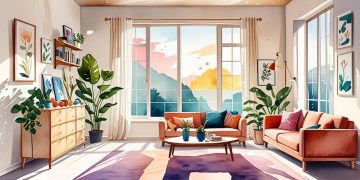
Our environments significantly impact mental well-being, as functional spaces designed with natural light, open layouts, and quiet areas can alleviate mental disorders. Incorporating elements like biophilic design, community engagement, and adaptable spaces fosters social connections, promotes healing, and ultimately enhances quality of life, addressing rising mental health issues.

The Ethics of Conscious Consumption: How Our Choices Impact the World and Our Lives

Explore the significance of conscious consumption as it relates to our purchasing decisions' impact on environmental sustainability, social justice, and local economies. By embracing ethical consumer habits, we can drive positive change, empower communities, and contribute to a more sustainable and equitable world through mindful choices.

How Minimalism Can Transform Your Workspace into a Functional Environment

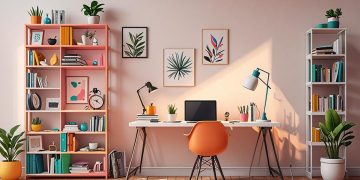
Embracing minimalism in your workspace can significantly enhance productivity and creativity. By reducing clutter and focusing on essential items, you create a functional environment that promotes mental clarity and efficiency. Implementing strategies like regular decluttering and thoughtful organization can lead to a more intentional and fulfilling work experience.

The Importance of Natural Light in Functional and Minimalist Spaces

Natural light is essential in functional and minimalist spaces, enhancing mood, reducing energy costs, and improving focus. Its integration promotes well-being and spatial perception, creating inviting environments that foster connection with nature. Embracing natural light enriches design while supporting sustainability and harmony in today’s urban living.

Mindful Consumption: The Impact of Conscious Choice on Personal Organization

Mindful consumption promotes intentional purchasing decisions, encouraging individuals to align their choices with personal values and sustainability. By prioritizing quality over quantity, this practice reduces clutter and enhances personal organization, ultimately leading to improved financial awareness, emotional resilience, and a fulfilling, purpose-driven life.

Minimalist Strategies to Transform Storage Spaces into Functional and Attractive Solutions

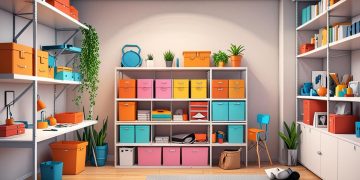
Discover how minimalist strategies can transform storage spaces into functional and attractive solutions. By decluttering, embracing multifunctional design, and utilizing creative storage options, you can enhance both organization and aesthetics in your home. This approach fosters clarity, tranquility, and a renewed connection with your living environment.

Creating Functional Spaces: The Art of Organizing with Minimalism

Discover how minimalism can transform your home into functional spaces that enhance productivity and well-being. By embracing intentionality and reducing clutter, you create organized environments that promote mental clarity and tranquility. Learn practical steps and smart tools to cultivate efficiency and purpose in every corner of your life.

The Impact of Minimalism on Creating Functional Spaces for Study and Work at Home

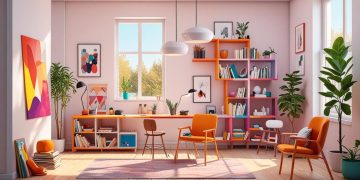
Incorporating minimalism into home study and workspaces enhances productivity and mental clarity by reducing distractions. Focusing on essential items and thoughtful design fosters a functional environment that supports creativity. A clutter-free, organized space with optimal light and color can significantly improve overall efficiency and satisfaction in remote work and learning.

Functional Spaces at Home: Minimalist Organization Tips for Every Room

Discover effective minimalist organization tips to create functional spaces in your home. Learn how to declutter and optimize each room, from the living room to the bathroom, ensuring a serene and productive environment. Embrace simplicity and enhance your daily living with intentional choices and smart storage solutions.

How to Integrate Minimalist Design Elements to Enhance Functionality in Small Spaces

Explore strategies to enhance functionality in small spaces through minimalist design. By focusing on simplicity, multi-functional furniture, neutral color palettes, and maximizing natural light, you can create a stylish, organized environment that reflects personal style while promoting comfort and tranquility in compact living areas.