
Sustainability and Simple Living: How Living with Less Can Help the Planet

Understanding the Connection Between Simplicity and Sustainability
In an age where consumerism dominates, the appeal of a simpler life is gaining traction. More individuals are realizing that living with less not only enhances personal well-being but also benefits the planet. This approach, often linked to sustainability, encourages a lifestyle that prioritizes resource conservation and thoughtful decision-making.
At the core of simple living is the principle of reducing waste. By intentionally decluttering our homes and our lives, we significantly cut down on the amount of waste that ends up in landfills. For instance, a 2018 report from the Environmental Protection Agency (EPA) revealed that about 292.4 million tons of trash were generated in the United States, with only about 35% being recycled or composted. By embracing minimalism, individuals can actively reduce their contributions to these staggering numbers, opting for practices such as donating unwanted items or repurposing materials, which can have a profound impact on our environment.
Lowering our carbon footprint is another crucial aspect of simple living. By minimizing consumption—whether through reduced shopping trips or choosing to walk or bike instead of driving—we lower our energy use and greenhouse gas emissions. For example, the U.S. Department of Energy states that transportation accounts for about 29% of total greenhouse gas emissions. Thus, by consciously altering our travel habits, we can play a role in mitigating climate change.
Mindful purchasing is essential in supporting sustainable brands. More consumers are choosing to buy from companies that prioritize eco-friendly practices, such as using recycled materials or fair-trade sourcing. This shift towards quality over quantity not only promotes ethical business practices but also fosters a more sustainable economy. Brands like Patagonia and Warby Parker exemplify this commitment to sustainability, showcasing how businesses can thrive while caring for the planet.
As we delve into the principles of sustainability, it’s essential to reflect on the habits we forge. Simple living encourages us to question our needs versus our wants, prompting us to make more conscious choices. By adopting minimalism, we pave the way to a more harmonious relationship with our environment, creating a ripple effect in our communities.
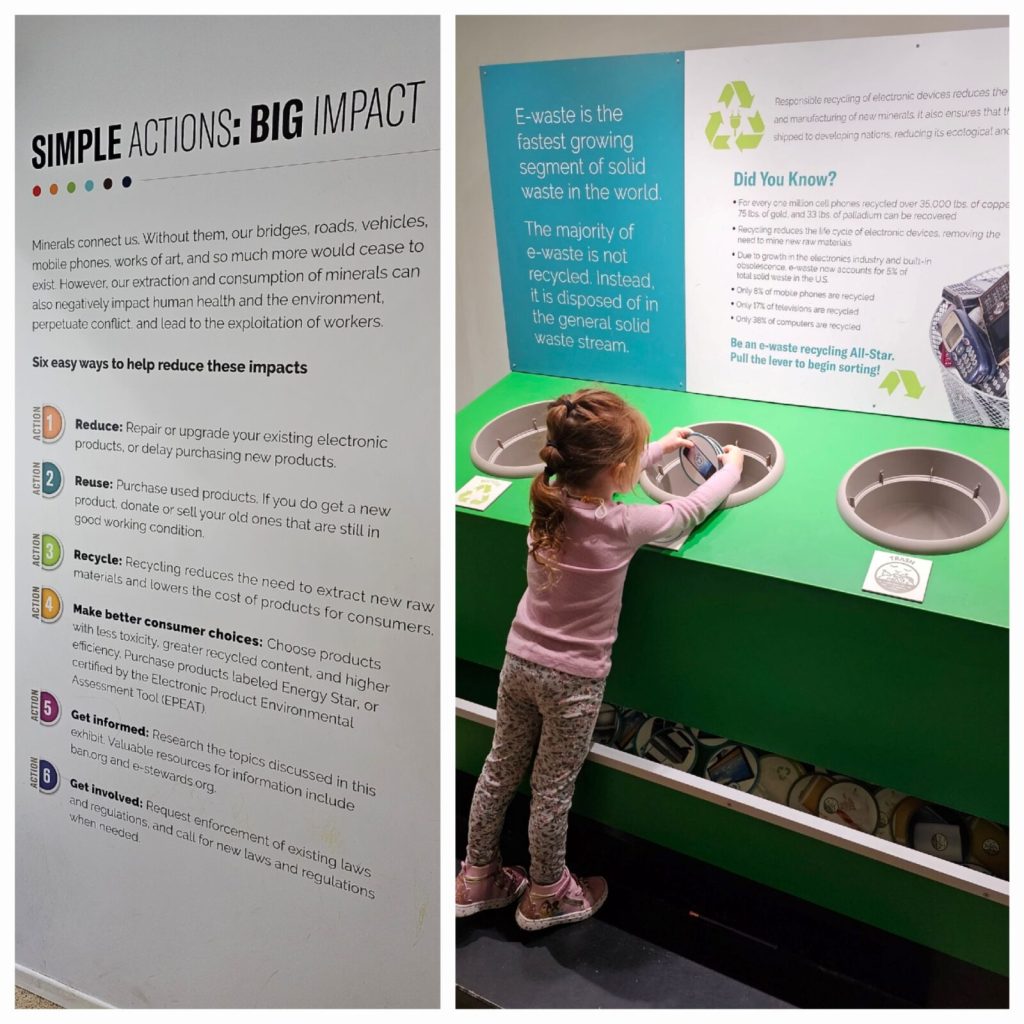
Find Out What You Can Do
Exploring how simple living can reshape both our lives and the planet is vital. From decluttering your home to supporting local economies, every small step counts. For example, instead of frequent trips to big box stores, consider shopping at farmers’ markets or local boutiques. These practices not only reduce our carbon footprint but also help build resilient local economies.
In this article, we will uncover practical tips and insights that empower you to contribute to a sustainable future. From embracing zero-waste principles to engaging in community sustainability initiatives, there are numerous ways we can all get involved. Simple living doesn’t mean depriving ourselves; rather, it encourages us to appreciate what we have and cultivate a more sustainable way of life. The journey toward simplicity is one that allows for greater connection—not only with ourselves but also with the world around us.
DISCOVER MORE: Click here to uncover sustainable living tips
The Benefits of Embracing Minimalism
One of the most compelling arguments for adopting a simple living lifestyle is its substantial environmental benefits. By reducing our material possessions, we can also lessen our environmental impact significantly. Minimalism not only promotes a method of living that appreciates quality over quantity but also nurtures a mindset that values sustainability. Millions of individuals across the United States are discovering that by simplifying their lives, they contribute positively to the environment while enhancing their personal fulfillment.
One glaring issue that minimalism addresses is the growing problem of overconsumption. A report by the Global Footprint Network suggests that humanity is consuming the equivalent of 1.7 Earths each year. This alarming data underlines the urgency of reducing our reliance on excessive resources. By choosing to live with less, we send a clear message that we are committed to creating a sustainable future. However, adopting a minimalist lifestyle involves conscious choices, each of which has the potential to make a difference.
Practical Steps Toward Simple Living
Beginning your journey toward a more sustainable and simple lifestyle involves several practical steps, including:
- Decluttering your living space: Regularly assess your belongings, keeping only those that serve a purpose or bring you joy.
- Implementing a “one in, one out” policy: For every new item purchased, consider donating or disposing of an existing item to mitigate accumulation.
- Shopping with intention: Before making a purchase, ask yourself if the item is truly necessary or if it’s merely an impulse buy.
- Supporting second-hand & local businesses: Thrift stores, consignment shops, and local artisans often offer unique products that sensationally reduce carbon footprints compared to mass-produced items.
- Practicing zero-waste principles: This could include using reusable bags, containers, and straws while avoiding products with excessive packaging.
Incorporating these practices not only leads to a less cluttered lifestyle but contributes to a healthier planet. Moreover, engaging in simple living often sparks a domino effect, encouraging friends, family, and neighbors to consider their consumption habits. As conversations around sustainability become more frequent, communities are more likely to unite to foster a greener future.
Simple living as a tool for sustainability also affects our mental health. A study published in the Journal of Environmental Psychology indicates that a clutter-free environment can promote feelings of calmness and control. Living with less allows individuals to focus on more meaningful experiences, rather than material possessions, leading to healthier lifestyles overall.
Ultimately, the connection between simple living and sustainability is undeniable. By making mindful choices and reevaluating our consumption patterns, we can foster a more sustainable future for ourselves and the planet —one small step at a time.
| Advantages | Description |
|---|---|
| Reduced Waste | Embracing a simpler lifestyle often leads to less consumption, resulting in significantly reduced waste generation. |
| Lower Carbon Footprint | Living with less encourages individuals to opt for sustainable travel options and local food sources, hence decreasing their overall carbon emissions. |
| Financial Savings | By choosing to buy less, individuals can save money, which can be redirected toward eco-friendly products and practices. |
| Healthier Lifestyle | A simple living approach often leads to a healthier lifestyle, with increased focus on organic foods and physical activities. |
The movement towards sustainability and simple living is not just a trend; it’s a vital path toward ensuring a healthier planet. By understanding these advantages, individuals can explore practical steps to reduce their environmental impact. By embracing minimalism and conscious consumerism, you can contribute to a more sustainable world, fostering a lifestyle that is beneficial for both you and the planet. From enhancing your financial well-being to improving your physical health, living with less empowers us to align our lifestyle choices with the pressing needs of our environment. Whether it’s adopting minimalist principles or engaging in community sustainability efforts, every small step makes a difference. Engage with the movement today and discover how living with less can enrich your life while protecting our precious planet.
DISCOVER MORE: Click here to learn about mindful consumption
The Ripple Effect of Conscious Choices
Beyond personal benefits, the intersection of sustainability and simple living has profound implications for communities and society as a whole. When individuals embrace a lifestyle centered on minimalism and conscious consumption, they contribute to a collective shift toward a culture that values sustainability. This movement is not merely about individual actions; it is about inspiring a ripple effect that can influence widespread change.
One such example occurs in the realm of food waste. According to the USDA, approximately 30-40% of the food supply in the United States is wasted every year, which equates to around 125 to 160 billion pounds of food. By adopting a simpler lifestyle and being mindful of consumption, communities can work together to resize their food purchasing habits. Initiatives such as community gardens, food-sharing platforms, and local farmer’s markets promote not only local sourcing but also reduce waste by encouraging the purchase of only what is needed. Such practices allow for the preservation of natural resources and minimize the environmental impact associated with food production.
Moreover, consumption patterns influenced by minimalism can foster a greater appreciation for sustainable products. By supporting businesses that prioritize eco-friendly practices, such as using renewable resources and environmentally responsible manufacturing processes, consumers can drive demand for sustainable alternatives. Reports indicate that the market for sustainable products is growing, projected to reach $150 billion in the U.S. by 2021. When individuals consciously choose to purchase from brands committed to sustainability, they send a powerful message to the market: a demand for ecological integrity and ethical responsibility.
Collaboration and Community Engagement
To further boost sustainability efforts, collaboration within communities plays a crucial role. Creating networks that support local sustainability initiatives fosters a sense of accountability and shared purpose. Responsibilities like neighborhood clean-ups or trade-and-swap events not only facilitate a more sustainable approach to consumption but also strengthen community ties. Research conducted at the University of California indicates that communities engaged in sustainability projects witness enhanced social cohesion, leading to stronger support systems and improved mental well-being.
Additionally, educational programs targeting kids and young adults can shape future generations’ perspectives on consumption and environmental stewardship. Implementing classes on sustainable practices and hands-on opportunities, such as recycling drives or eco-friendly workshops, can ignite a passion for preservation early in life. As these young individuals grow, so do their potentials to drive innovation in sustainability practices, creating positive change within companies and beyond.
The connection between simple living and sustainability thus extends far beyond individual actions. As more people become aware of their influence on the larger ecosystem, it encourages engagement in local initiatives and cultivates a sense of responsibility for shared resources. By recognizing that intentional living can lead to not only personal fulfillment but also community wellness, individuals are empowered to create a significant impact on the planet.
DISCOVER MORE: Click here to learn about conscious consumption
Embracing Simplicity for a Sustainable Future
In conclusion, the intertwining of sustainability and simple living presents a transformative approach that can profoundly impact our planet. As individuals consciously adopt minimalist practices, they not only enhance their personal well-being through reduced clutter and stress but also play a vital role in environmental preservation. By prioritizing quality over quantity and embracing sustainable consumption, people can actively contribute to a healthier ecosystem.
Collectively, these mindful choices foster a culture of sustainability that encourages communities to support local businesses and participate in initiatives promoting ecological responsibility. Whether engaging in community gardens or participating in educational programs, these collective actions can catalyze broader societal shifts towards valuing both our resources and our relationships.
Moreover, with the market for sustainable products anticipated to surge—reflecting a growing public awareness of environmental concerns—consumers have the power to influence industries towards more ethical practices. This journey towards sustainability is as much about personal choice as it is about contributing to a larger movement that seeks to protect our planet for future generations.
Ultimately, by integrating simple living into our daily lives, we not only reclaim our sense of contentment but also endorse a legacy of stewardship for the Earth. The challenge lies within our choices; with each small step towards living with less, we place another building block towards a sustainable future. By embracing this path with open arms, we enable a cleaner, greener world that we can proudly pass on to generations to come.