The psychology of minimalist functional spaces: creating environments that stimulate mental clarity and creativity

Understanding Minimalist Functional Spaces
In today’s fast-paced world, our environments play a crucial role in shaping our mental well-being and creative output. Minimalist functional spaces emerge as powerful tools for achieving mental clarity and enhancing creativity. These thoughtfully curated spaces serve as sanctuaries that help individuals navigate the chaos of daily life while providing a conducive atmosphere for focused work and reflection.
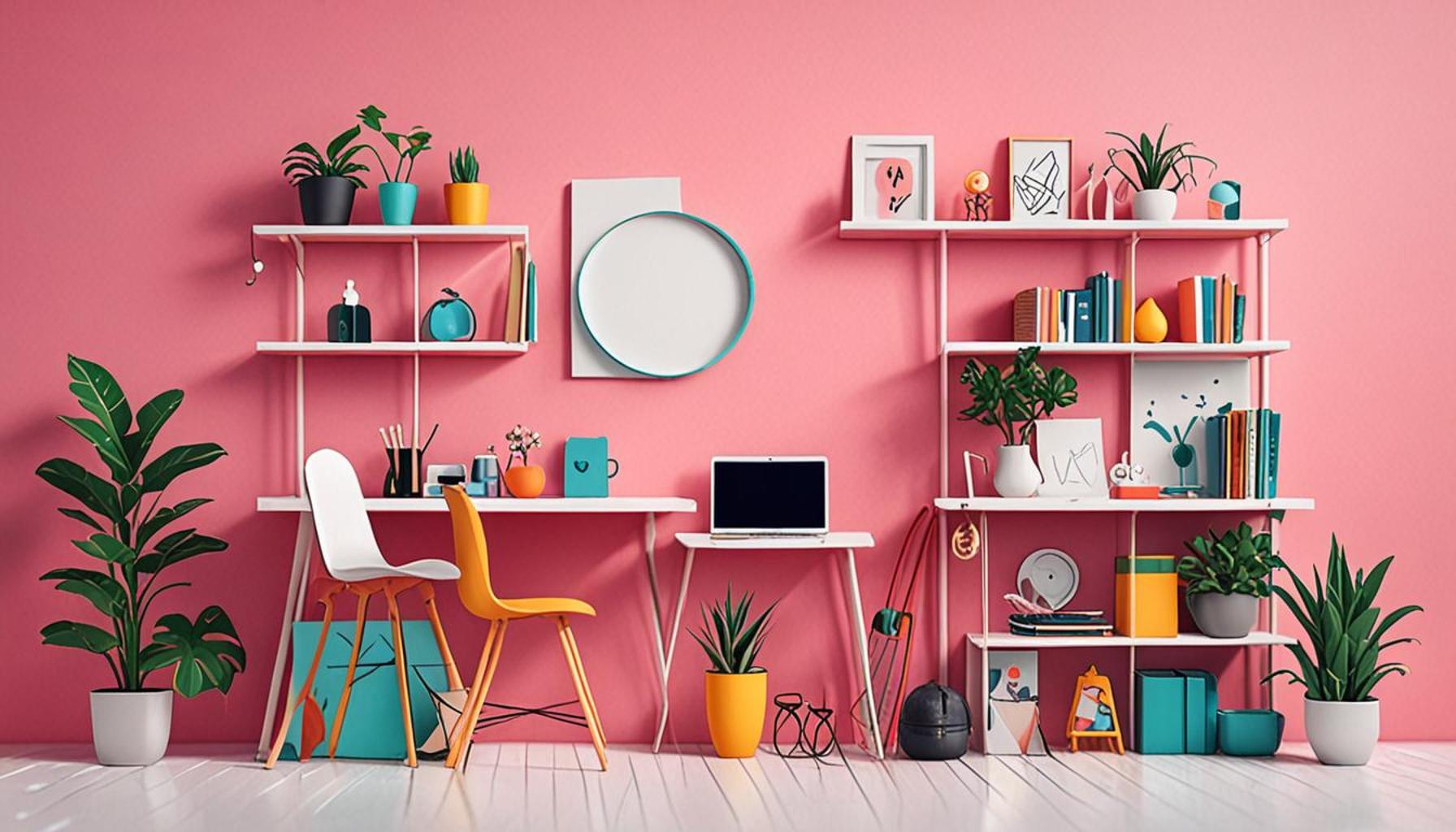
At the heart of minimalist functional spaces lies a commitment to simplicity. This design philosophy emphasizes the importance of clean lines and uncluttered surfaces, which play a crucial role in promoting focus. For instance, a workspace devoid of unnecessary items allows one to direct their attention solely on the task at hand, minimizing the cognitive load often associated with ordinary environments. Imagine a home office featuring a sleek desk, a single ergonomic chair, and strategically placed books or art pieces—each item chosen not just for aesthetic appeal but also for its capacity to inspire and motivate.
Natural light, a cornerstone of minimalist design, significantly enhances mood and productivity. Studies have shown that exposure to sunlight can lead to increased energy levels and improved overall well-being. In the context of a minimalist space, large windows or skylights can allow sunlight to flood in, creating a warm and inviting ambiance while reducing eye strain compared to artificial lighting. For example, California-based homes often use expansive glass doors and windows to marry indoor and outdoor living, thereby maximizing natural light and space.
The concept of purposeful design is also essential in minimalist functional spaces. Each element serves a defined function, minimizing unnecessary components. For instance, a well-designed kitchen may include multifunctional appliances that streamline cooking processes while maintaining a clean aesthetic. Incorporating items like a built-in cutting board or a pull-out pantry not only saves space but also emphasizes a commitment to efficiency and clarity in cooking.
Diving into the psychology behind minimalist spaces, research reveals that reduced clutter can significantly lower stress levels. A well-organized environment instills a sense of control and peace, fostering a conducive atmosphere for creative thinking. Furthermore, colors play a vital role in influencing mood. For instance, soft blue tones are often used in workplaces to enhance concentration and calmness, while pops of green, found in indoor plants, can invigorate and refresh the mind.
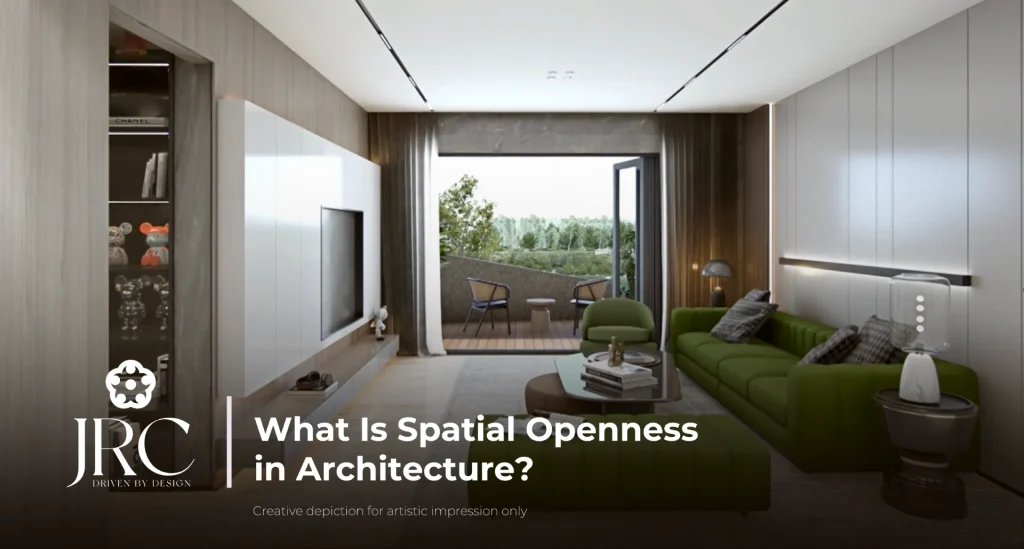
Another significant aspect is how a minimalist approach often encourages mindfulness and creativity. By eliminating distractions, individuals are more likely to engage fully with their tasks, fostering an innovative mentality. Practices like meditation and yoga, often integrated within minimalist settings, encourage individuals to slow down and focus on the present moment, nurturing their creative instincts.
As more people seek harmony in their lives, understanding the impact of minimalist environments becomes essential. This design philosophy not only transforms physical spaces but also has profound implications for mental health and personal productivity. By creating locations that prioritize simplicity and intentionality, individuals can unlock their potential for clear thinking and innovative ideas. In an era where overwhelming sensory input is common, minimalist functional spaces can serve as a powerful antidote, inviting deeper engagement and creativity in our daily lives.
DISCOVER MORE: Click here to dive deeper
The Impact of Clutter on Mental Well-Being
The correlation between clutter and mental health is a growing area of interest in psychological research. Numerous studies have demonstrated that chaotic and disorganized environments can lead to increased levels of stress and anxiety. In minimalist functional spaces, the strategy is to create environments that actively mitigate these negative feelings by employing simplicity and order. A famous study conducted by UCLA found that women who reported their homes as cluttered had elevated levels of cortisol, the stress hormone, suggesting that the visual stimulus of clutter can trigger physiological responses that hinder mental clarity.
To further comprehend how minimalist design benefits mental health, it’s crucial to examine the transformative power it possesses. By focusing on essential elements and eliminating excess, these spaces help establish a sense of control. When individuals enter a serene and organized environment, they experience a reduction in distractions and interruptions, which positively influences their ability to concentrate. Consequently, meaningful work emerges in a space that is free from the chaos that often characterizes our daily lives.
Creating Purpose-Driven Spaces
When designing a minimalist functional space, one principle stands out: intentionality. Each object and design decision should be made with purpose, addressing a specific need or goal. This approach not only minimizes disruptions but also promotes a deeper engagement with the environment. To achieve this, consider the following elements that resonate well in minimalist design:
- Functional Furniture: Opt for furniture pieces that serve multiple purposes, such as a sofa bed or nesting tables. These reduce the need for additional items while offering versatility.
- Quality over Quantity: Invest in fewer, high-quality items instead of a multitude of cheaper counterparts. A single stunning artwork can evoke emotions and thoughts more effectively than a gallery of mediocre pieces.
- Natural Elements: Integrate elements from nature, such as wooden textures or indoor plants, to foster a connection to the outdoors, further enhancing your mental space.
- Neutral Color Palettes: Use soft, calming colors to create a soothing environment. Research indicates that colors like warm whites, light grays, and muted blues can create a tranquil backdrop for clearer thinking.
Through these intentional choices, individuals curate their environments to not only satisfy aesthetic preferences but also to foster a supportive atmosphere that nurtures mental clarity. The direct impact of these decisions can be seen in one’s ability to stay present and focused, ultimately unleashing creative potential. Studies suggest that a thoughtfully designed minimalist space can lead to improved cognitive function, allowing for better problem-solving and innovation.
As we delve deeper into the connection between design and mental performance, it is evident that minimalist functional spaces have the ability to transform not only our physical surroundings but also our mental frameworks. With decluttering as a primary tool, one can achieve a serene atmosphere that nurtures the mind and cultivates a fertile ground for creativity. Ultimately, engaging with minimalist principles enables individuals to navigate their lives with enhanced clarity and inspiration.
The Psychology of Minimalist Functional Spaces
Creating minimalist functional spaces transcends mere aesthetics; it delves deep into the psychological impacts these environments can have on our mental clarity and creativity. When we talk about minimalism, we recognize the profound relationship between our surroundings and our cognitive functions. Research has shown that cluttered spaces can lead to increased feelings of anxiety and overwhelm, thereby obstructing our ability to think clearly and innovatively.
The Impact of Clutter on Mental Clarity
In the modern world, where distractions are abundant, a minimalist environment serves as a sanctuary for the mind. By reducing visual clutter, individuals experience lower stress levels and improved focus. Studies indicate that environments purposefully stripped of unnecessary items encourage a streamlined thought process—one that cultivates problem-solving abilities and creative thinking. This aligns with the principles of environmental psychology, which posits that our surroundings shape our behavior and mental states.
Designing for Creativity
In spaces designed for creativity, such as studios or coworking environments, the incorporation of minimalist design elements allows for enhanced inspiration and innovation. Colors, shapes, and natural light play crucial roles in shaping a creative atmosphere. For instance, color psychology suggests that certain hues, like blue and green, can stimulate creativity while minimizing distractions. Additionally, open layouts that utilize natural materials foster a deeper connection with one’s work and self, unveiling hidden creative potential.To foster creativity and mental clarity, integrating functional spaces with intentional designs can provide a rich backdrop for productivity and inspiration. The shift towards minimalist environments encourages us to evaluate what is essential, thus promoting a lifestyle grounded in mindfulness and purpose.
| Advantages | Key Characteristics |
|---|---|
| Enhanced Focus | Reduced distractions lead to better concentration on tasks. |
| Increased Creativity | Clear spaces promote innovative thinking by removing mental blocks. |
The balance achieved through minimalist functional spaces is not just niche but essential for modern living, where the demands on our mental faculties are higher than ever. By understanding how to cultivate these spaces effectively, we can boost our productivity and foster a profound sense of wellbeing, paving the way for innovative breakthroughs and a clearer mind.
DIVE DEEPER: Click here to discover more about meaningful connections
The Role of Lighting and Space Layout
In the pursuit of cultivating minimalist functional spaces, lighting and space layout are often underestimated yet pivotal elements. The strategic use of both can enhance not only the aesthetic appeal but also the psychological outcomes of an environment. Natural light, for instance, has been shown to elevate mood, increase productivity, and even improve cognitive function. According to a study by the American Psychological Association, access to natural lighting in workspaces leads to significant improvements in alertness and overall well-being.
To maximize the advantages of lighting, it’s crucial to consider the orientation of windows and open spaces that allow ample sunlight throughout the day. Utilizing sheer curtains or reflective surfaces can further amplify natural light, creating a vibrant atmosphere that invigorates mental faculties. Additionally, when artificial lighting is necessary, opting for warm-toned LEDs can also promote relaxation and reduce eye strain, fostering an environment that supports creativity and sustained focus.
Space layout is equally essential in minimalist design. An efficient layout promotes effective movement and visual flow within a room, contributing to an uncluttered mental space. Designs leveraging open floor plans can promote collaboration and communication, cutting down on barriers that may hinder creative processes. Furthermore, the placement of key furniture items such as desks and seating in a manner that encourages social interaction can enhance connectivity and brainstorming opportunities.
The Influence of Technology
As technology continues to evolve, it increasingly permeates our living and working environments. The consideration of technology within minimalist functional spaces can either be a support or a detriment to mental clarity. While smart devices can simplify tasks and enhance efficiency, they can also become sources of distraction. The challenge lies in integrating technology in a way that aligns with minimalist principles—prioritizing essential digital tools while minimizing excessive screen time.
To strike the right balance, assess which technologies genuinely contribute to productivity and well-being. For instance, using a single multifunctional device instead of multiple gadgets can help mitigate clutter on desks and tangle of wires, while also streamlining daily tasks. Additionally, implementing scheduled tech-free hours in your space encourages a healthier relationship with technology, allowing for moments dedicated solely to creativity and reflection.
The Psychological Benefits of Personalization
While the foundation of minimalism lies in simplicity, incorporating elements that reflect one’s personal identity can promote emotional connection and motivation. Selecting a few meaningful objects that resonate with personal experiences or aspirations allows for a customized, yet uncluttered space. Research from the University of Michigan indicates that personalizing one’s environment positively influences psychological engagement, inspiring creativity and boosting productivity.
In minimalism, the focus shifts from accumulating possessions to curating a collection of purposeful items. This thoughtful selection process not only fosters emotional attachment but also ensures that the space remains conducive to mental clarity. Items such as symbolic artworks or meaningful photographs provide much-needed inspiration without overwhelming the senses, demonstrating that minimalism can coexist with personal expression.
Ultimately, by leveraging light, thoughtful layouts, mindful technology usage, and personalized touches, minimalist functional spaces evolve into sanctuaries that stimulate mental clarity and invigorate creative spurts. These environments encourage individuals to explore their cognitive limits while maintaining an atmosphere that celebrates their unique narratives.
DIVE DEEPER: Click here to discover more tips for a minimalist workspace
Conclusion
In a world increasingly defined by distraction and over-stimulation, the psychology of minimalist functional spaces offers a compelling antidote, creating environments that are not only visually appealing but fundamentally supportive of mental clarity and creativity. By intentionally designing spaces that prioritize simplicity and purpose, individuals can foster a heightened sense of well-being and productivity.
Key elements such as well-thought-out lighting, spatial layouts, mindful technology integration, and personal touches deliver a powerful combination that cultivates an atmosphere conducive to focused thought and innovative ideas. From allowing ample natural light to employing a layout that encourages movement and interaction, each element plays a vital role in shaping the psychological impact of a space. Moreover, the careful selection of technology—prioritizing essential tools while minimizing distractions—creates a balanced environment that enhances cognitive function.
A fascinating aspect of this minimalist approach is the incorporation of personalization, which connects individuals emotionally to their environments. By curating a selection of significant items, one can strike a harmonious balance between minimalism and individual expression, enriching the experience within these spaces.
As more individuals and organizations begin to recognize the transformative power of minimalist functional spaces, the potential for fostering both mental clarity and creativity becomes evidently promising. The next step is to explore how these principles can be tailored to fit unique lifestyles and needs, revealing a path not only toward more serene living and working conditions but also towards unlocking one’s full creative potential.