The influence of minimalism on the arrangement of functional storage spaces
The Essence of Minimalism in Everyday Storage
In an age where clutter often threatens our peace of mind, minimalism emerges as a transformative force in home design. Its influence extends far beyond aesthetics, reshaping how we think about and arrange our functional storage spaces. The core principle of minimalism—less is more—promotes a streamlined approach to our belongings, making organization not just attainable but sustainable. Embracing minimalism can lead to more than just an orderly space; it can herald a complete lifestyle change.
Consider the key elements that minimalism brings to storage:
- Simplicity: Clean lines and fewer items create an uncluttered look. For instance, opting for open shelving instead of bulky cabinets can lead to a visually appealing and airy feel in kitchens.
- Functionality: Each storage element serves a clear purpose, making retrieval effortless. Think of multi-functional furniture, such as a bed with drawers underneath or ottomans that double as storage spaces, cleverly designed to serve multiple needs with minimal space.
- Mindfulness: A focus on essential items encourages intentional choices about what we keep. By regularly assessing belongings, individuals can curate a collection that truly reflects their values and needs, reducing the mental burden of excess.
The rise of minimalism has been particularly pronounced in the United States, where homes often carry the weight of too much stuff. As more people adopt minimalist principles, they discover that the benefits extend beyond mere physical spaces. A well-organized environment fosters relaxation and inner calm, making way for creativity and focus. Studies have shown that individuals in decluttered environments report lower stress levels and heightened productivity.
This article delves into how minimalism influences functional storage design choices, exploring practical examples and innovative approaches. Consider the use of modular storage systems that can be customized to meet individual needs, allowing for adaptability as life changes. Additionally, stackable containers enable vertical storage solutions, turning any room into a space-efficient haven.
Readers will discover the potential of minimalist storage solutions, along with tips to implement them in their own spaces. Start with the 30-day decluttering challenge—each day, focus on removing one item. This simple act can foster a habit of mindfulness that transforms your relationship with your belongings.
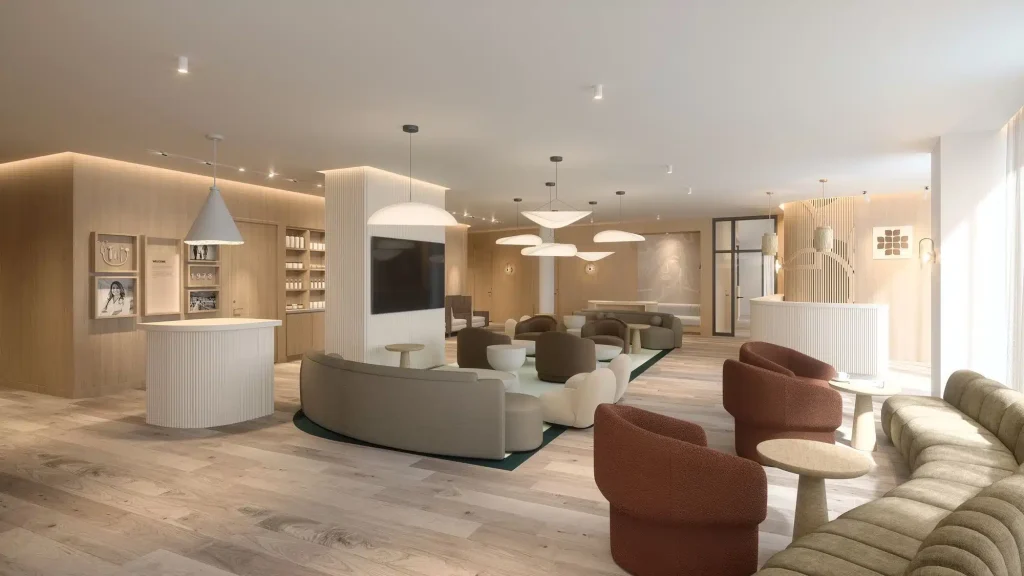
Ultimately, the quest for balance and simplicity may lead to a more fulfilling lifestyle, encouraging individuals to prioritize experiences over material possessions. By adopting minimalism in functional storage, we open ourselves to a life rich in purpose and clarity.
DISCOVER MORE: Click here to learn about conscious consumption
Reimagining Storage: The Minimalist Approach
The minimalist movement has penetrated various aspects of design, revolutionizing how we approach functional storage spaces in our homes. As homeowners grapple with the cluttered realities of modern life, the adoption of minimalist principles has provided a refreshing blueprint for creating efficient and purposeful storage solutions. This shift is not just about aesthetics; it fundamentally alters the way we interact with our belongings and space.
At the heart of minimalism lies a focus on essentials. By prioritizing quality over quantity, individuals are encouraged to choose storage solutions that are not only visually pleasing but also highly effective. This mindset shifts the emphasis from filling every nook and cranny to selecting pieces that integrate seamlessly into a lifestyle. For example, consider the shift from traditional bulky furniture to sleek, compact designs that cater to urban living, where space is often at a premium.
Minimalism promotes several key strategies in the arrangement of functional storage:
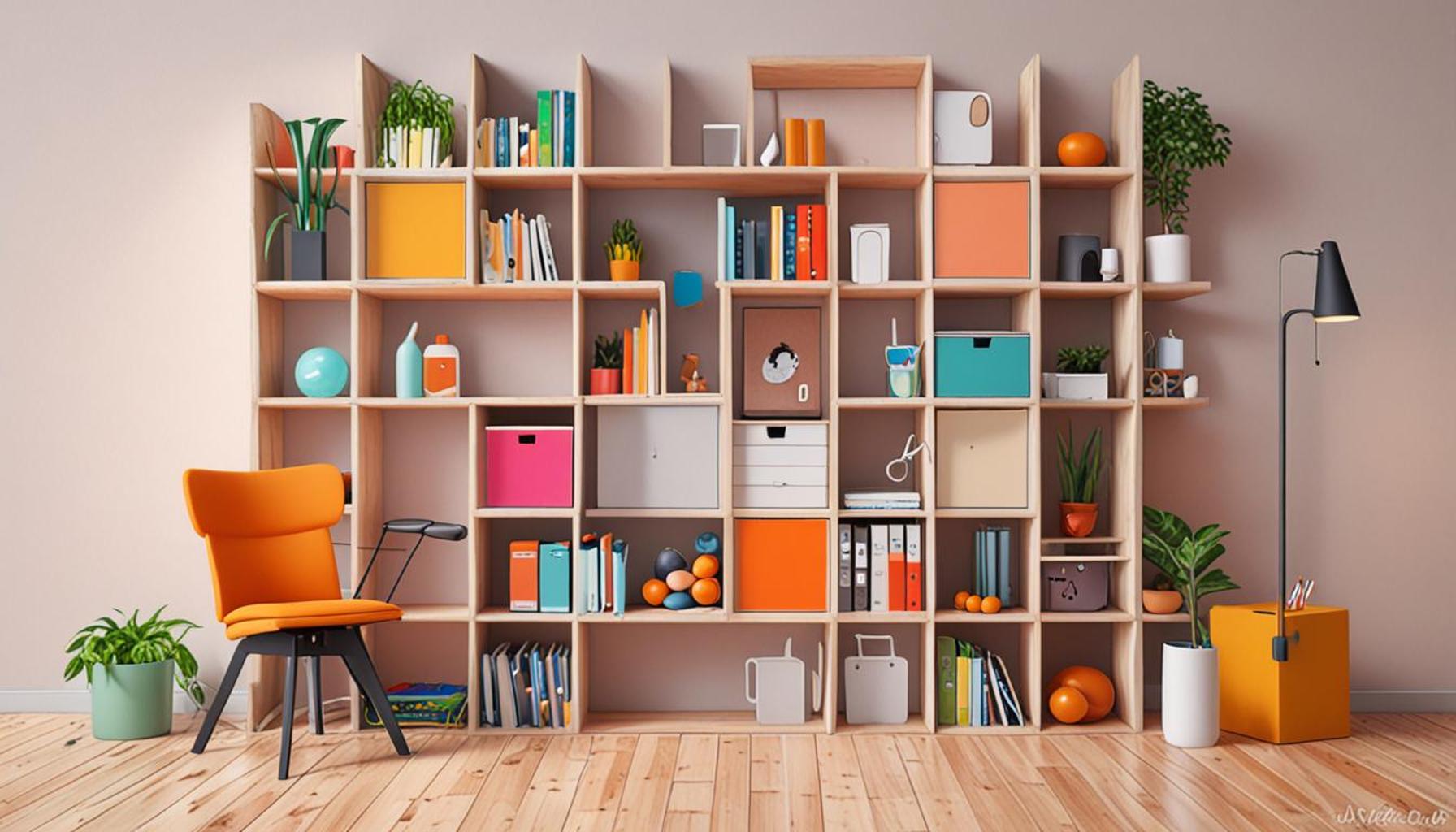
- Vertical Solutions: Emphasizing height rather than width, vertical storage systems take advantage of often-overlooked wall space. Wall-mounted shelves, hooks, and pegboards can transform any room into a stylish and organized area, from the kitchen to the entryway.
- Built-in Storage: Custom-built units that blend with existing architecture maximize space while maintaining a clean look. For instance, built-in bookcases or under-stair drawers optimize functional areas without compromising on style.
- Clear Containers: Utilizing transparent storage solutions allows for easy visibility and access, reducing the time spent searching for items. This practice aligns perfectly with minimalism, promoting a curated collection that showcases what truly matters.
- Multi-Purpose Furniture: Embracing pieces that serve dual functions—such as a coffee table that doubles as a storage chest—enhances both space efficiency and organizational effectiveness.
Research from the American Psychological Association indicates a notable correlation between organized spaces and improved mental health, suggesting that minimalist storage solutions may lead to enhanced well-being. A clutter-free environment cultivates a sense of control and calm, allowing individuals to focus on creativity and productivity rather than the chaos of disarray. The simple act of decluttering can lead to profound changes in lifestyle, encouraging a clearer mental state and a deeper appreciation for one’s surroundings.
As minimalism gains traction in the United States, numerous homeowners are discovering the liberating effects of downsizing their possessions and rethinking storage design. By embracing the minimalist approach, individuals can appreciate the beauty in simplicity, creating spaces that are not only functional but reflective of their personal values. The next sections will explore specific minimalist storage solutions, offering practical guidance for those ready to make a change.
| Category | Key Features |
|---|---|
| Space Efficiency | Utilizes every inch of space through multipurpose furniture and strategically placed storage solutions. |
| Aesthetic Appeal | Promotes a clean, organized environment that emphasizes simplicity and elegance in design. |
| Stress Reduction | A decluttered space leads to a calmer mind, allowing individuals to focus and enhance productivity. |
| Cost-Effectiveness | Fewer items mean reduced spending on unnecessary furniture and decorations while maximizing utility. |
Minimalism’s paradigm significantly transforms the way functional storage spaces are arranged, offering benefits that resonate with a wide audience. By emphasizing space efficiency, minimalism advocates for using multipurpose furniture and vertical storage options to make the most out of limited areas. This practical approach not only ensures functionality but also infuses a sense of order.Furthermore, an aesthetically appealing environment is created through minimal design principles. Highlighting simplicity allows homeowners to showcase their style without overwhelming clutter. This curated look fosters an ambiance of tranquility, which is especially important in today’s fast-paced world.Additionally, studies indicate that a decluttered ambience can contribute to stress reduction. When spaces are organized and free from extraneous distractions, individuals can experience improved focus and productivity. Moreover, by adopting this model, one often finds cost-effectiveness inherent in minimalism. It encourages one to invest in quality rather than quantity, leading to substantial long-term savings. The minimalist movement can thus reshape our understanding of storage and organization, driving a deeper inquiry into the potential of simple living environments.
DISCOVER MORE: Click here to learn how minimalism can transform your finances</p
The Practicalities of Minimalism in Everyday Spaces
As minimalism continues to influence interior design, its impact on functional storage spaces becomes increasingly evident in contemporary American homes. The transition towards minimalist storage solutions is not merely an aesthetic choice but a strategic move to enhance functionality while promoting a more intentional lifestyle. This transformation can be seen prominently in areas such as kitchens, living rooms, and even outdoor spaces.
One pivotal aspect of this evolution is the concept of open shelving in kitchens. This trend breaks away from conventional cabinetry, allowing homeowners to display their essential kitchenware while keeping things organized. Not only does open shelving contribute to a spacious appearance, but it also encourages owners to pare down their collections to only the most cherished and frequently used items. The aesthetic appeal of well-organized shelves adorned with simple, beautiful dishware aligns perfectly with minimalist principles, further reinforcing the notion that less can be more.
Living rooms have also undergone a significant metamorphosis due to minimalist storage philosophies. The rise of modular furniture exemplifies this shift, as these versatile pieces can be reconfigured to meet various needs. Items such as ottomans with concealed storage, floating media consoles, and sleek, stackable units allow for a decluttered environment. By embracing modular designs, homeowners not only create more functional spaces but also retain the flexibility to evolve their arrangements over time, adapting to changing lifestyles.
An emerging trend in the minimalist movement is the adaptation of multifunctional outdoor furniture. With many Americans shifting towards smaller homes or apartments, the need for functional outdoor areas has surged. Outdoor storage benches and collapsible tables are gaining popularity, providing ample storage for gardening tools or cushions while maintaining a coherent and sleek look. This approach promotes an integration of indoor-outdoor living, enhancing aesthetics without sacrificing usage.
In addition to aesthetics and flexibility, the environmental aspect of minimalism cannot be overlooked. By promoting the idea of sustainable living, minimalism encourages individuals to invest in high-quality storage solutions that stand the test of time rather than opting for disposable, mass-produced items. This creates a ripple effect, as sustainable practices in acquiring and maintaining storage not only benefit the individual but also contribute positively to the environment. The move towards eco-friendly materials—such as reclaimed wood or recycled metals—aligns with the minimalist philosophy of valuing the essentials and contributing to a larger cause.
Research on living space and mental well-being further emphasizes the advantages of minimalist storage solutions. A study published in the Journal of Environmental Psychology reveals that organized spaces significantly improve focus and reduce anxiety levels. This finding resonates deeply with the minimalist ideology, reinforcing the belief that a clutter-free environment fosters creativity and peace of mind.
As more Americans embrace minimalist values, the ways in which storage spaces are designed and utilized will continue to evolve. It invites a deeper examination of our belongings, prompting us to consider not just what we store, but how our choices affect our physical and emotional space. By engaging with these minimalist principles, individuals can expect to cultivate not only a more organized home but also a more mindful approach to their everyday lives.
DISCOVER MORE: Click here to learn about organizing with minimalism
Reimagining Space: The Future of Minimalist Storage
In conclusion, the influence of minimalism on the arrangement of functional storage spaces reflects a profound shift in how Americans perceive their living environments. The core tenets of minimalism—simplicity, functionality, and sustainability—are reshaping not just our homes, but our interactions with our possessions. As evidenced by trends like open shelving, modular furniture, and multifunctional outdoor pieces, the emphasis is on cultivating spaces that are both aesthetically pleasing and practically efficient.
This streamlined approach encourages individuals to assess their belongings critically, leading to more intentional choices regarding what we keep and how we organize. The known psychological benefits, such as improved focus and reduced anxiety, further validate the minimalist ethos, suggesting that our environments significantly impact our mental well-being. Importantly, as many households gravitate towards eco-friendly practices, minimalism champions sustainable living—advocating for quality over quantity in storage solutions.
As we move forward, the implications of minimalist design will only grow, compelling us to ask essential questions about our material culture and lifestyle preferences. By adopting these principles, we are not only designing more functional spaces but also crafting a mindset that prioritizes thoughtfulness and serenity over clutter and chaos. The era of minimalism has arrived, and it invites us to rethink how we occupy and honor our spaces in a rapidly changing world.