Minimalist Living Spaces: How to Create Environments that Foster Meaningful Social Interactions
The Rise of Minimalist Living Spaces
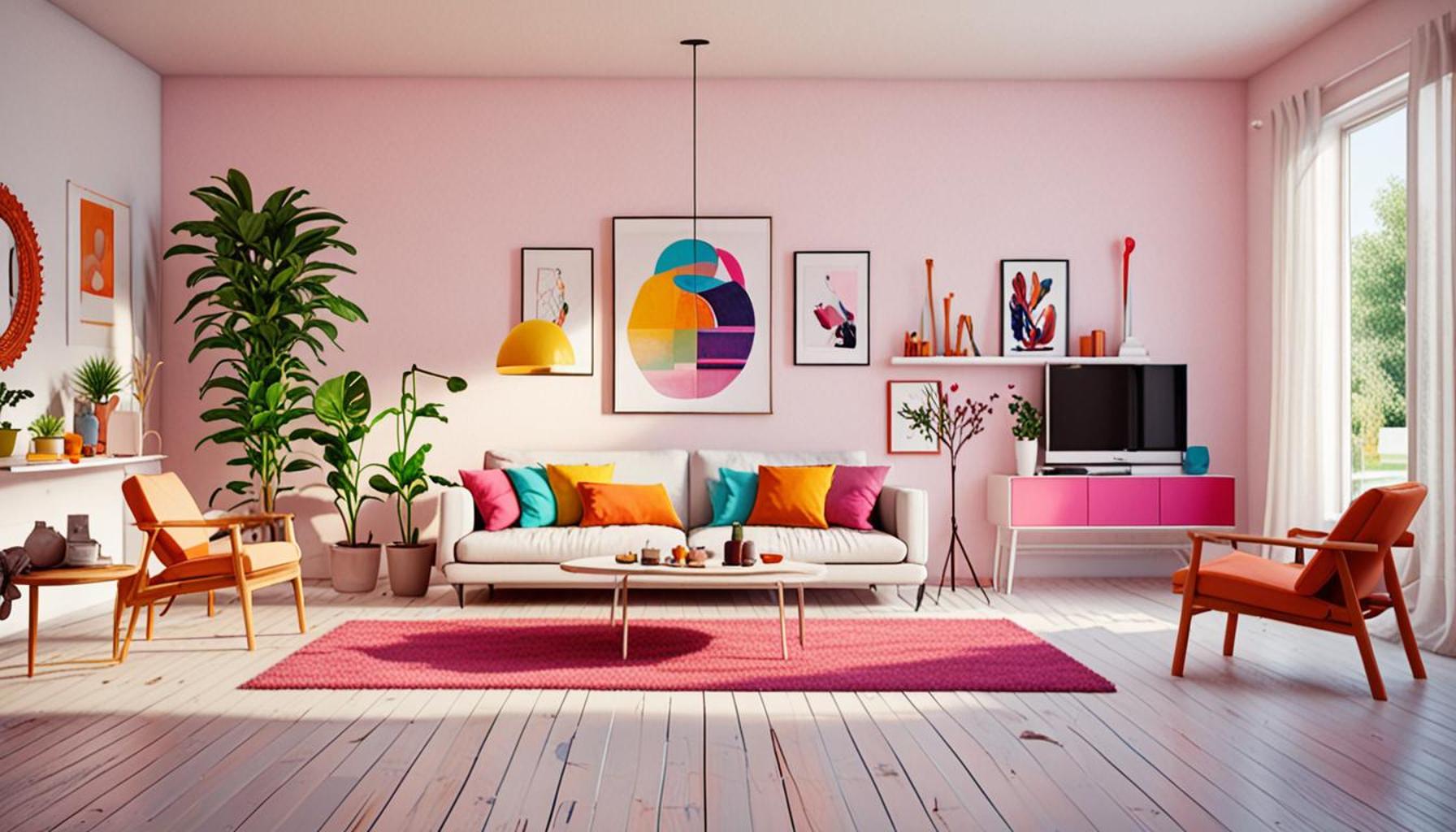
In an age where digital distractions abound, many are finding solace in the simplicity of minimalist living spaces. This approach is not merely a design choice but a philosophy that emphasizes clearing physical clutter to enhance mental clarity and foster deeper connections with others. Minimalism invites individuals to create environments that prioritize relationships over possessions, paving the way for more authentic interactions.
As the trend gains traction across the United States, it’s evident that people are rethinking how their homes influence their lives. Minimalist living encourages a shift from the accumulation of belongings to an appreciation for quality, function, and connection. Here are some key principles often employed by those embracing this lifestyle:
- Clutter-Free Zones: Eliminating unnecessary items to cultivate open spaces invites a sense of tranquility. For instance, a decluttered living room devoid of knick-knacks can serve as a comfortable gathering area for family and friends, promoting spontaneous interactions.
- Functional Furniture: Selecting pieces that serve multiple purposes is crucial in minimalist design. A sofa bed that doubles as a seating area and a sleeping arrangement for guests is an excellent example of how thoughtful furniture choices can save space while enhancing social opportunities.
- Natural Light: Maximizing sunlight is essential for creating a welcoming atmosphere. Large windows or strategically placed mirrors can brighten up a room, uplifting the mood and encouraging people to socialize more comfortably within the space.
Integrating these principles results in inviting environments that promote communication and strengthen relationships. For instance, open floor plans, a hallmark of modern minimalist design, often encourage seamless flow between the kitchen and living areas, making it easier for families to bond over meal preparation or enjoy movie nights together.
Delving deeper into minimalist living, it’s imperative to recognize how such spaces can enhance community ties. By reducing emotional and physical barriers, individuals can cultivate environments conducive to connection. In today’s fast-paced lifestyle, where interactions are often relegated to the virtual realm, creating spaces that foster genuine engagement is invaluable.
As we navigate the complexities of contemporary living, examining the impacts of minimalism can lead to enriching experiences and revived community spirit. Discovering how to reduce clutter can serve as a gateway to fostering deeper relationships, making the pursuit of a minimalist lifestyle not just a trend, but a transformative journey toward meaningful connection.
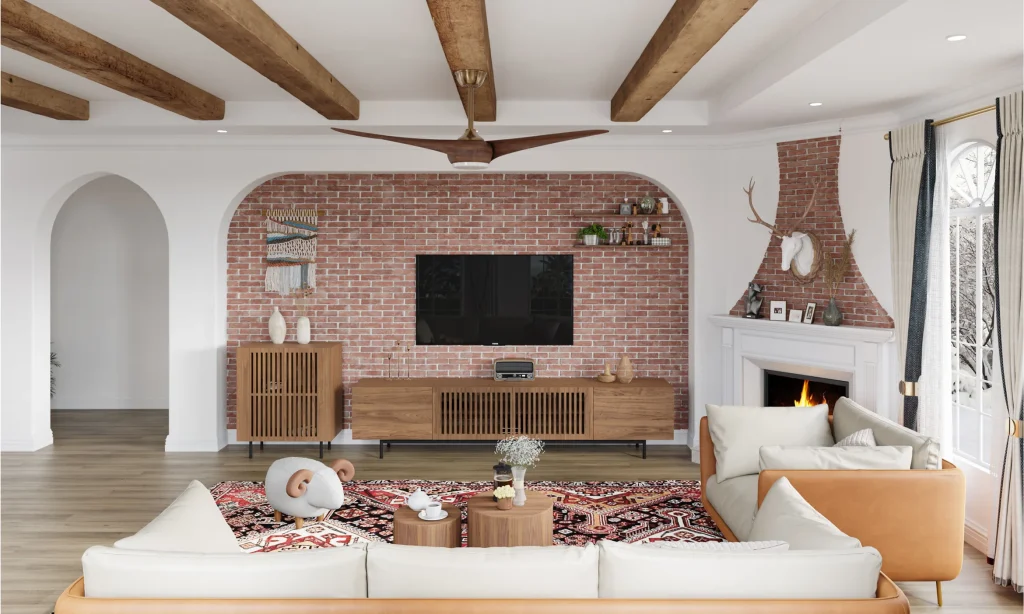
DIVE DEEPER: Click here to discover more about minimalism
Creating the Foundation for Connection
To truly harness the potential of minimalist living spaces, it is essential to understand the underlying principles that support meaningful social interactions. A minimalist environment stands as a backdrop that encourages engagement while simultaneously reducing distractions. This delicate balance can enhance both the quality and quantity of interactions with family and friends.
One of the fundamental elements of fostering connection in minimalist design is the concept of flexible spaces. These are areas that can be easily adapted to suit various social gatherings, from intimate dinners to larger group celebrations. For instance, consider a dining area that features a simple, expandable table. This allows for spontaneous dinners with friends or family without the need for clunky, oversized furniture that dominates the space.
Another critical aspect lies in the intentional use of color and decor. A carefully curated color palette can create a tranquil environment that calms the mind and encourages open communication. Soft, neutral tones promote relaxation, while occasional splashes of vibrant colors can stimulate conversation and creativity. Additionally, art or decor pieces that reflect personal stories can ignite discussions, making spaces feel more inviting and familiar.
To further optimize social interaction within minimalist spaces, incorporating dedicated conversation areas is highly effective. These zones can feature comfortable seating arranged in a way that fosters face-to-face communication. Here are some tips on creating such spaces:
- Group Seating: Arrange couches and chairs in small clusters to facilitate easy dialogue. This configuration makes it more natural for guests to engage with one another, promoting a convivial atmosphere.
- Use of Pillows and Throws: Enhancing comfort with cozy textiles can encourage people to settle in and extend their stay, enriching the experience of socializing.
- Outdoor Spaces: If available, creating an outdoor seating area can blend nature with social interactions, providing a change of scenery that often invigorates conversation.
Moreover, embracing elements of transparency and visibility can also reinforce social bonds. Open layouts that allow for clear sight lines between living areas can support communal activities, making it easier for people to engage without feeling isolated. This design choice can resonate especially within families, where everyday activities like cooking and cleaning become opportunities for bonding rather than chores.
As minimalist living spaces evolve towards a more socially-driven focus, it emphasizes that the home is not just a sanctuary but also a gathering place for shared experiences. When the design integrates these thoughtful principles, it has the potential to transform ordinary moments into cherished memories, thereby enriching interpersonal relationships.
Creating Spaces that Encourage Connection
In a world where digital interactions often replace face-to-face communication, the design of our living spaces plays a crucial role in fostering meaningful social interactions. Emphasizing minimalism not only simplifies your environment but also creates a welcoming atmosphere that encourages connection. Begin by focusing on a functional layout. Open floor plans can be particularly effective in promoting socialization as they eliminate barriers that separate individuals in a room. Instead of traditional, bulky furniture, opt for lightweight, movable pieces that can easily be rearranged to suit different gathering sizes and activities. This flexibility allows you to adapt your space for intimate conversations or larger social events, effectively catering to diverse social needs.Next, consider the importance of natural light. Large windows and strategically placed mirrors can enhance the ambiance of a minimalist space while helping to create a warm, inviting environment. Natural light not only lifts our moods but also increases social engagement. When people feel good in their surroundings, they are more likely to engage in open conversation and build connections.Moreover, incorporating communal elements is vital. Think about adding a central dining table as it serves not just as a place for meals but as a hub for gathering. Vibrant centerpiece decorations or shared experiences, like cooking gatherings, can spark conversations and help strengthen relationships.Lastly, maintaining a clutter-free environment is essential. Excess items can create visual noise that detracts from interactions. By prioritizing quality over quantity in decor and personal belongings, you create breathing room that is less distracting, allowing your guests to focus on one another instead.By thoughtfully designing your minimalist living space, you can cultivate an environment that not only enhances aesthetics but also nurtures deep, meaningful interactions among family and friends. Exploring the nuances of minimalist design will lead you to discover numerous ways to create a welcoming and connected atmosphere in your home.
DISCOVER MORE: Click here for insights on minimalism in change management
Inviting Nature to Enhance Social Connections
Integrating nature into minimalist living spaces can significantly enhance social interactions, providing both aesthetic and psychological benefits. Studies have shown that exposure to natural elements can promote relaxation and improve mood, which are essential components for fostering meaningful interactions. One way to achieve this is by incorporating biophilic design, a concept that emphasizes the connection between humans and nature.
Bringing greenery into homes can be as simple as adding a few indoor plants. Not only do they purify the air, but they also serve as conversation starters when guests admire or inquire about them. Consider using low-maintenance plants such as succulents or snake plants, which can thrive in minimal care settings. Larger plants, like fiddle-leaf figs or peace lilies, can act as natural dividers in open spaces, creating cozy nooks for intimate discussions.
Furthermore, the use of natural light can significantly impact social dynamics within minimalist environments. Large windows or skylights can flood spaces with sun, creating warm, inviting atmospheres. The interplay of light and shadows throughout the day may encourage guests to linger, enjoying the space longer. When planning an area, consider positioning seating near windows to harness the benefits of natural light, which can create a more lively environment conducive to conversation.
Another avenue to explore is the addition of outdoor-indoor living areas. Porches, patios, or balconies can extend the living space and provide a relaxed ambiance for social interactions. Investing in comfortable outdoor furniture can transform these areas into desirable venues for gatherings, enabling people to enjoy fresh air while connecting with friends or family. It is not uncommon for spontaneous conversations and activities to unfold in these transitional spaces, promoting unplanned bonding experiences.
Thoughtful Technology Integration
In our increasingly digital world, integrating technology without overwhelming the minimalist aesthetic is vital. Smart home devices can simplify tasks and enhance interactions when used mindfully. For instance, a central speaker system can play background music, enriching the environment without dominating the space. This subtle touch can set the mood for gatherings, making conversations flow more effortlessly.
Moreover, tecnología can also promote connectivity. Consider incorporating wireless charging stations and discreet power outlets to accommodate guests’ needs without creating clutter. When technology is seamlessly integrated, it reinforces the idea of the home as a socially active space rather than a tech-dominated zone.
Moreover, consider utilizing creative layouts that accentuate interaction. For example, a large coffee table in the middle of a seating arrangement can serve as a hub where people can place drinks and snacks, encouraging mingling without the formality of a dining table. The act of gathering around a shared table fosters a sense of community and can cultivate a relaxed atmosphere that encourages social bonding.
In summary, the key to fostering meaningful social interactions within minimalist living spaces lies in thoughtful design choices that prioritize flexibility, natural elements, and mindful technology integration. Each element plays a role in shaping how we interact with one another, inviting deeper connections and enriching social experiences.
DIVE DEEPER: Click here to learn how minimalism can boost creativity</
Conclusion: The Power of Minimalism in Social Connectivity
In the quest to create minimalist living spaces that enhance social interactions, we find a profound interplay between design, nature, and technology. By embracing simplicity, we can curate environments that not only reduce clutter but also invite deeper connections among individuals. The principles of biophilic design remind us of our inherent desire to connect with nature, making indoor plants and natural light essential components of our social spaces.
Additionally, the integration of thoughtful technology can provide convenience without overwhelming our minimalist aesthetic. Designing spaces with flexible layouts encourages collaboration, allowing conversations to flow organically while maintaining an inviting atmosphere. When we apply these strategies, we foster settings ripe for genuine social interactions, be it through casual gatherings or more intimate conversations.
Moreover, minimalist living should not be viewed as a limitation but rather as an opportunity for intentionality. By carefully selecting what we include in our homes, we can prioritize elements that enhance our sociability. Whether it’s a well-placed coffee table that encourages mingling or a comfortable outdoor area that draws people together, every gesture counts towards crafting community.
As we move forward, let us embrace the philosophy of minimalism not only as a design choice but as a lifestyle that inspires meaningful social interactions. In a fast-paced world, creating spaces where genuine connections can flourish may very well be the most significant benefit of a minimalist approach. Take the time to curate your surroundings, making room for relationships that matter and experiences that enrich our lives.