Minimalism and functionality: how to choose versatile furniture that maximizes space
The Allure of Simplicity in Home Design
As society becomes increasingly complex and cluttered, individuals seek refuge in simplicity. This longing for a streamlined existence has given rise to minimalism, an approach to living that champions the idea of “less is more.” This philosophy extends beyond personal lifestyle choices; it significantly influences interior design, particularly in creating serene living environments. In this context, furniture plays an essential role, providing not only functionality but also aesthetics that harmonize with our desire for clarity and calm.
Why Opt for Versatile Furniture?
Opting for versatile furniture can dramatically transform your home while reflecting personal style. Here are several compelling advantages:
- Space Efficiency: With urban living conditions often characterized by limited square footage, multi-functional pieces like sofa beds or extendable dining tables can help make the most out of your space.
- Cost-Effective: Investing in fewer, well-crafted items can significantly reduce expenses. For example, a coffee table that doubles as a storage unit eliminates the need for additional shelving.
- Easy to Style: Minimalist designs, characterized by clean lines and neutral colors, can effortlessly fit into various decor styles—be it modern, rustic, or industrial. This universality allows for easy updates to your space without costly overhauls.
Features to Look For
When curating furniture for a minimalist aesthetic, focus on key features that promote simplicity and functionality:
- Storage Solutions: Furniture with hidden compartments enables easier organization, enhancing the visual appeal of your space by reducing clutter. For instance, consider an ottoman that opens up for storing blankets or books.
- Adaptability: Choose items like folding chairs or modular sofas that easily adapt to different needs and configurations. This flexibility allows for reconfiguration according to various activities—from entertaining guests to hosting family movie nights.
- Lightweight Materials: Furniture made from materials like molded plywood or aluminum can be moved and rearranged without much effort, allowing for a dynamic living space that can be tailored to your preferences.
As you immerse yourself in the world of minimalist furniture, remember that thoughtful selections not only enhance your living area but also contribute to a sense of tranquility. The balance of practicality and style can foster an environment that encourages relaxation and mindfulness. Exploring the myriad options available can inspire you to refine your space into a minimalist haven that resonates with your personal journey toward simplicity and order.
DISCOVER MORE: Click here for essential organization tips
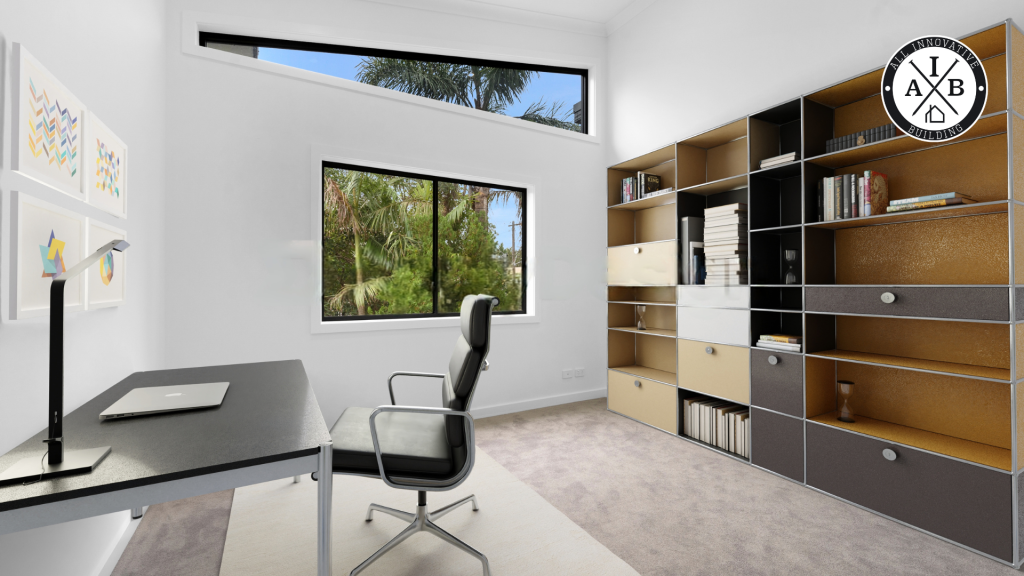
Finding Harmony in Design: Choosing the Right Furniture
In the realm of minimalism, the quest for versatile furniture is paramount. The right pieces not only fulfill daily functions but also elevate the aesthetic and emotional quality of your home. To create a truly minimalist space, it’s essential to select furniture that embraces functionality while eliminating unnecessary excess. Here, we explore key considerations and practical tips for making thoughtful choices that enhance both livability and style.
Understanding the Essentials
When evaluating furniture options, begin by identifying the essential pieces that will serve multiple purposes. Consider the following:
- Multi-Functional Designs: Look for items that serve more than one function. For example, a storage bench can provide seating while housing shoes, bags, or outdoor gear. This kind of furniture not only saves space but also adds character and utility to your environment.
- Scalable Solutions: Furniture like nesting tables can be invaluable in smaller homes. They can be spread out for gatherings and tucked away when not in use, adapting to your lifestyle effortlessly. This scalability allows for flexible use of space, making every square foot count.
- Transformable Pieces: Consider furniture that can change shape or function. A sleeper sofa can accommodate guests, while an extendable dining table transforms to meet your hosting needs. These adaptable elements are essential for maximizing space in a way that fits real-life scenarios.
Choosing the right pieces goes beyond function; it encompasses the materials and construction of the furniture as well. Look for quality craftsmanship that guarantees longevity while aligning with the minimalist aesthetic. For example, furniture made from reclaimed wood or sustainable materials not only contributes to a healthier environment but also adds a story to your decor.
The Importance of Scale and Proportion
In minimalist design, scale and proportion are key to creating a balanced space. Overly large furniture can overwhelm a room, while too-small items can lead to a disjointed appearance. To achieve harmony, consider the following tips:
- Choose Wisely: Invest in fewer, high-quality pieces that scale appropriately to your space. A single statement armchair may serve as a focal point while keeping the room feeling open.
- Visual Weight: Light and airy furniture tends to enhance a minimalist atmosphere. Clear acrylic or light wood designs can maintain the openness of the area without compromising on style.
- Maintain Clear Pathways: Ensuring clear pathways between furniture promotes a sense of order and spaciousness. Keep walkways unobstructed and allow for easy movement throughout the room.
By focusing on these principles, you can create a space that is both functional and serene. Striking the perfect balance of style and utility invites a sense of calm and inspiration into your home, encouraging you to embrace the minimalist way of life. With a discerning eye and an understanding of versatile furniture, achieving a clutter-free environment becomes an intentional and rewarding journey.
Choosing the Right Versatile Furniture for Your Space
When it comes to minimalism and functionality, selecting the right furniture can make all the difference in maximizing your living area. Versatile furniture not only serves multiple purposes but also complements a clean and uncluttered aesthetic, which is the essence of minimalism. Here are several key points to consider when making your selections.
1. Multi-functional Pieces
Investing in furniture that serves multiple roles is essential. Consider a sofa bed for living rooms that doubles as a guest bed, or an ottoman that offers both seating and storage. Such items significantly reduce the need for extra purchases, aligning perfectly with the minimalist ethos of simplicity and efficiency.
2. Scale and Proportion
When choosing furniture, it’s vital to assess the scale and proportion concerning your space. Large furniture in a compact area can overwhelm, leading to a sense of disorder. Opt for proportionate pieces that enhance the vibe of openness, establishing a balance that is both inviting and functional.
3. Smart Storage Solutions
Incorporating smart storage solutions is another principle of minimalist living. Furniture with built-in storage, like a bed with drawers or a coffee table that opens up, can keep your essentials organized while avoiding clutter. This not only maximizes space but also contributes to a more serene environment.
4. Light Colors and Materials
Choosing lighter colors for your furniture can create an airy feel, making your space feel larger. Additionally, materials like glass or acrylic can visually expand a room. Incorporating these choices fosters a minimalist aesthetic while ensuring functionality remains at the forefront.
Conclusion
By thoughtfully considering furniture options that embody versatility, minimalism, and space maximization, you can curate a living space that reflects not only your taste but also a purposeful lifestyle. Keep these tips in mind as you embark on your journey towards a more functional and serene home environment.
DISCOVER MORE: Click here for tips on minimalist design
Style Meets Substance: Choosing Timeless Versatile Furniture
As you navigate the world of minimalist living, it becomes evident that each piece of furniture must resonate with both style and substance. When selecting versatile furniture, consider how it embodies your personal aesthetic while serving essential functions. The synergy between beauty and practicality is crucial in minimizing clutter and maximizing space.
Incorporating Modular Furniture
One of the most effective ways to embrace minimalist principles is by incorporating modular furniture into your home. These dynamic pieces offer unparalleled flexibility, allowing you to rearrange and redefine your space to fit your needs. For example:
- Sectional Sofas: Modern sectional sofas can be reconfigured to suit various layouts, making them ideal for hosting gatherings or simply enjoying a cozy night in. Choose styles that allow for individual pieces to be detached or moved around.
- Modular Shelving Units: These adaptable storage solutions can grow or shrink depending on your collection of books, decor, or plants. This flexibility aids in keeping your space organized without the burden of bulky furniture.
- Interchangeable Seating: Look for poufs or ottomans that can double as extra seating or a footrest. These multifunctional items can be easily moved or redefined based on the occasion.
Utilizing Vertical Space
In modestly sized homes or apartments, utilizing vertical space becomes vital in maximizing square footage. Leveraging walls through thoughtful furniture choices can dramatically expand your functionality:
- Wall-Mounted Desks: For those working from home, a wall-mounted desk can free up floor space while providing a stylish workspace. This minimalist solution allows you to focus on productivity without sacrificing aesthetics.
- Vertical Storage Solutions: Tall bookshelves or cabinets can help declutter floor space, drawing the eye upwards and creating an illusion of height in your rooms. This draws attention to the architecture while keeping essentials organized.
- Hanging Art and Baskets: Use wall art or decorative baskets to create a focal point. Not only do they highlight your taste, but they also provide additional storage without the bulk of traditional furniture.
Emphasizing Cohesion and Color
Choosing furniture that aligns with a cohesive color palette enhances the feeling of openness essential to minimalist design. Consider:
- Neutral Tones: Shades of white, grey, and beige create an airy atmosphere, allowing furniture to blend harmoniously while emphasizing form and function. Accents in bolder colors can still be introduced through accessories to keep the space lively without overwhelming it.
- Uniform Materials: Opt for furniture made from similar materials to achieve a consistent aesthetic. Pieces made from wood, metal, or glass can enhance the streamlined look and avoid visual clutter.
- Woven Textiles: While maintaining a minimalist approach, don’t shy away from textiles. Incorporating natural fabrics like linen or cotton can add warmth and texture without compromising simplicity.
Ultimately, the path to achieving a minimalist yet functional living space lies within the deliberate choices of furniture pieces. By emphasizing modularity, verticality, and cohesion, not only can you declutter your environment, but you can also create an inviting context that nurtures creativity and tranquility. As you embark on your journey to finding versatile furniture, remember to embrace the process, allowing your living space to evolve in tandem with your lifestyle.
DIVE DEEPER: Click here for expert strategies
Conclusion: Embracing Minimalism for a Functional Living Space
In wrapping up our exploration of minimalism and functionality, it is clear that selecting the right versatile furniture can redefine not only your space but also your lifestyle. The key to successful minimalist living lies in making conscious choices that promote fluidity and simplicity in your home. By focusing on modular pieces, you can ensure your furniture adapts to your evolving needs, whether it’s creating an inviting atmosphere for guests or carving out a peaceful nook for your own relaxation.
Utilizing vertical space and embracing a cohesive color palette enriches this approach, offering sought-after effects of openness and tranquility. When every item serves multiple purposes, clutter dissipates and organization flourishes, fostering a serene environment conducive to creativity and mindfulness.
The journey toward a minimalist home is not merely about eliminating the unnecessary but rather about curating your space to genuinely reflect your identity and priorities. By prioritizing versatility, you can create a living area that is as functional as it is beautiful without feeling overwhelmed by excess.
As you contemplate your furniture choices, consider the profound impact they have on how you inhabit your space. Challenging conventional notions of home decor can unlock a world of possibility, leading to a lifestyle that celebrates simplicity and purpose. Embrace the art of minimalism and allow your living space to evolve harmoniously, becoming a true sanctuary that maximizes both style and functionality.