Minimalist Interior Design: How to Integrate Technology to Optimize Functional Spaces
The Marriage of Design and Innovation
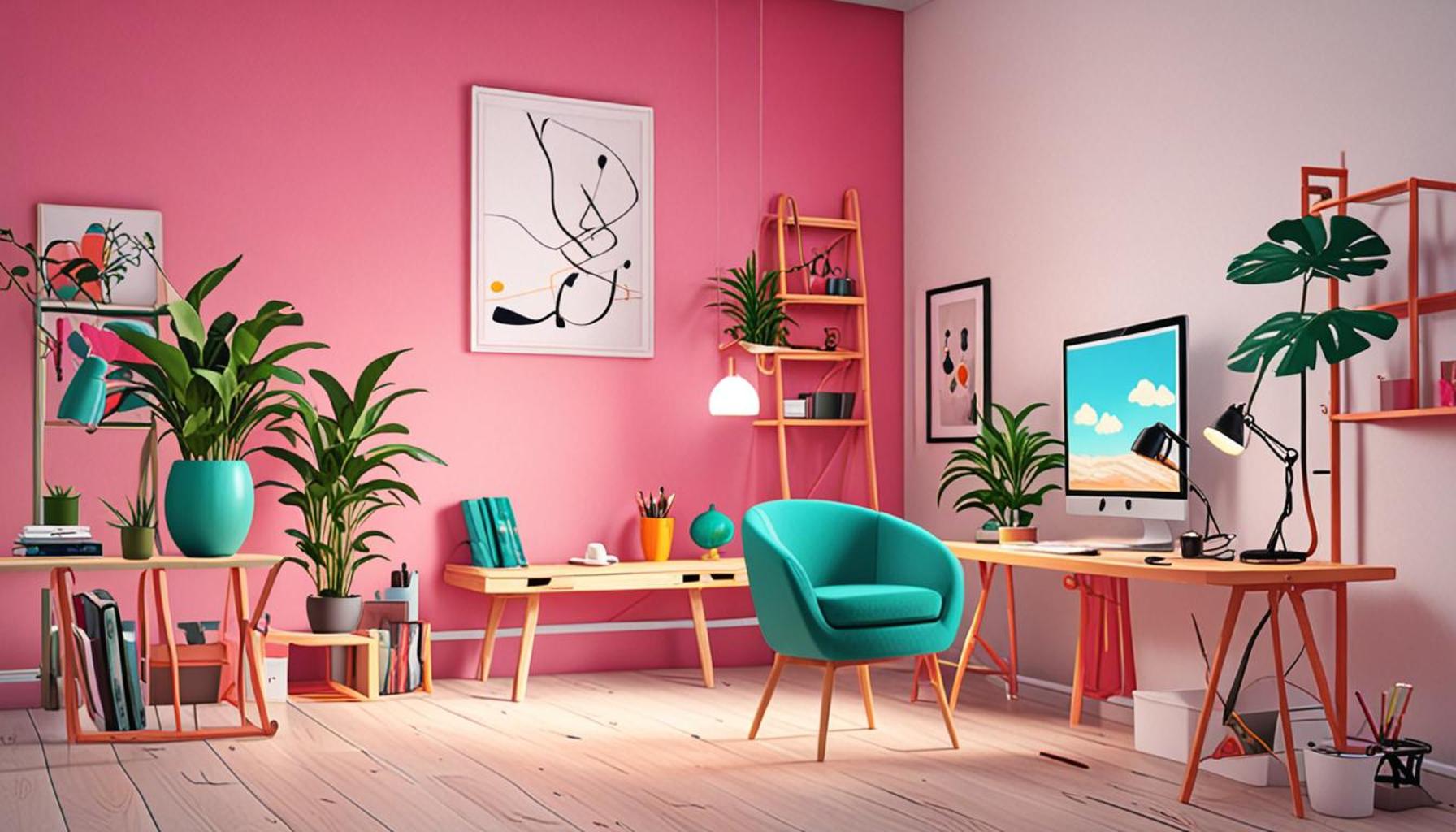
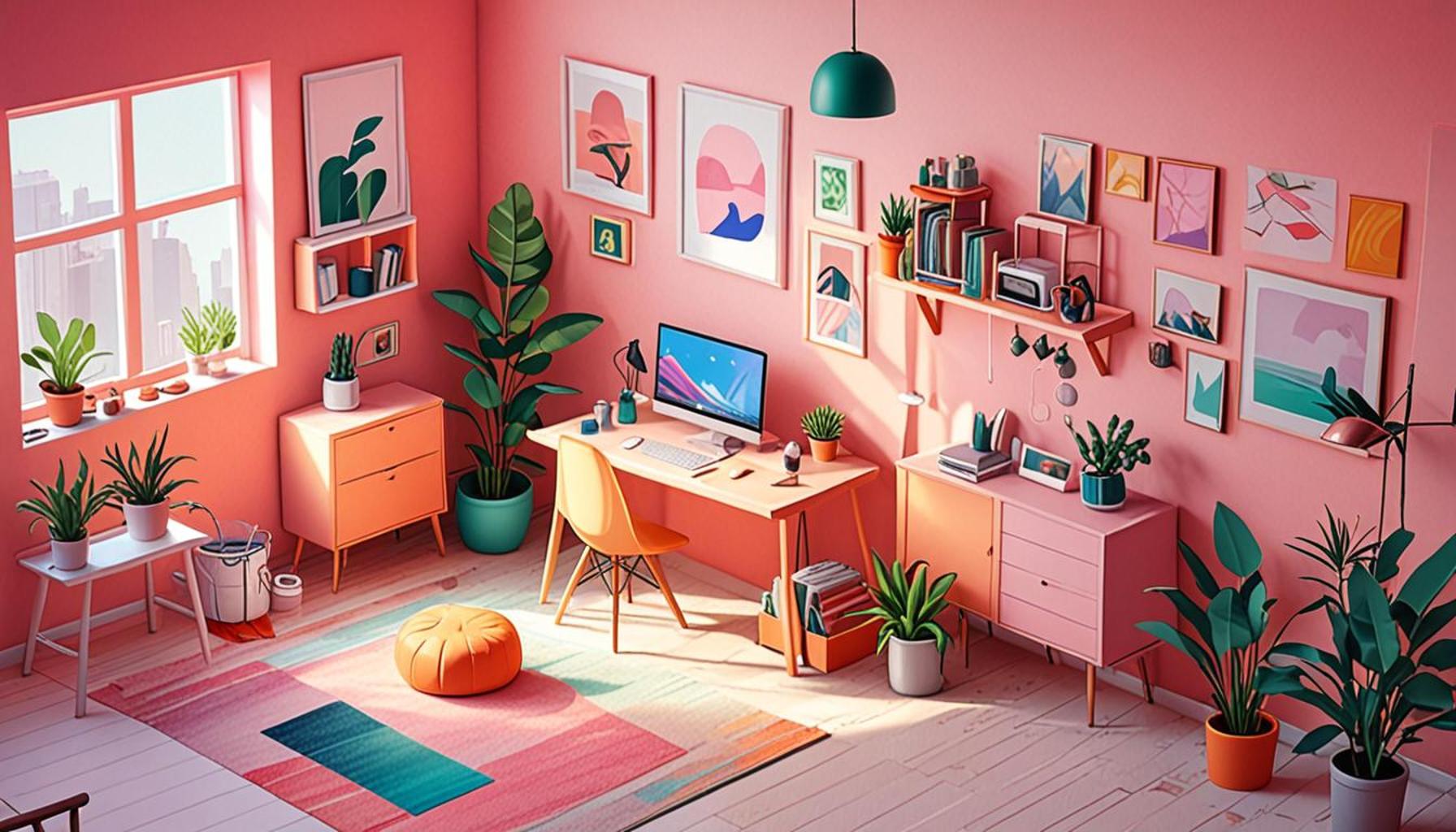
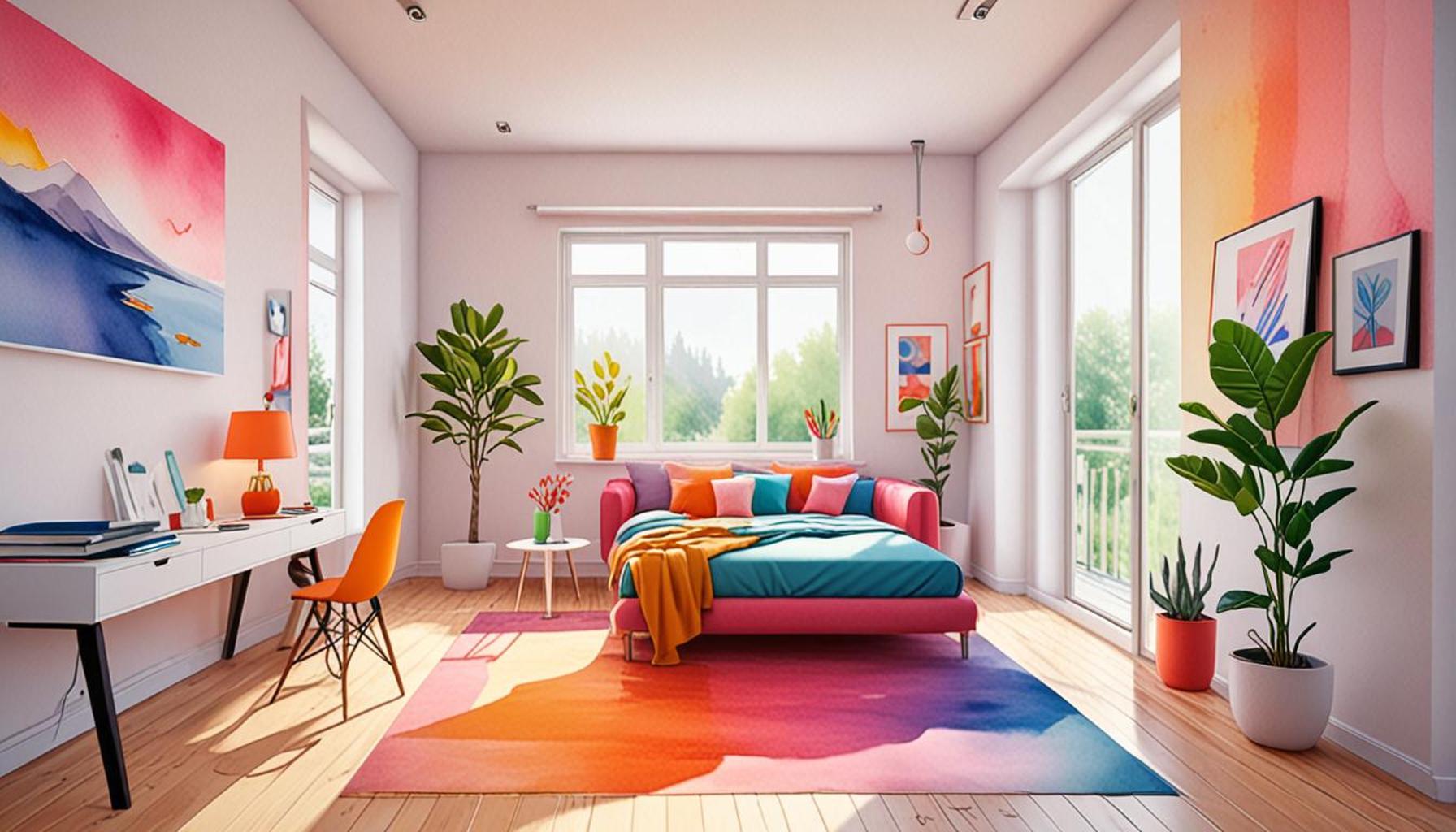
As society continues to embrace a fast-paced digital life, the concept of minimalist interior design has gained traction in residential and commercial spaces alike. At its core, minimalism emphasizes a “less is more” philosophy, encouraging the reduction of clutter and the prioritization of essential items. When this aesthetic is paired with cutting-edge technology, it creates environments that encapsulate both elegance and practicality, appealing to those who seek a balance of beauty and functionality.
One of the most compelling aspects of this integration is the emergence of smart home devices. Products like smart speakers, thermostats, and security systems can be unobtrusively integrated into a home’s architecture. For example, a smart thermostat can learn your schedule and adjust heating and cooling automatically, leading to energy savings while sitting discreetly on the wall or even being hidden behind a piece of art. These devices streamline everyday tasks, making life simpler without the chaos of visible cables or multiple controls, thereby maintaining the pleasing simplicity inherent in minimalism.
- Smart home devices: These gadgets seamlessly blend into the background, maintaining the uncluttered look while adding convenience. Options like the Amazon Echo Dot or Google Nest Hub can act as your voice-controlled assistant, providing entertainment, information, and even acting as a universal remote for other devices.
- Multi-functional furniture: Pieces such as a Murphy bed or a convertible sofa table not only save space but also simplify living areas without compromising on style. A well-designed ottoman can serve as both a coffee table and additional seating, helping to prevent overcrowdedness while enhancing aesthetic appeal.
- Lighting technology: Smart bulbs such as Philips Hue allow homeowners to adjust their lighting through a smartphone app or voice commands, creating atmospheres suited for relaxation or productivity. Incorporating light dimmers enhances functionality and mood, facilitating versatile use of space at all times of day.
As we navigate the possibilities of this innovative design approach, it’s imperative to choose technology that complements your space without causing distraction. For instance, embedding technology within furniture—like charging ports in a bedside table—can keep surfaces clean and organized while catering to our tech needs. Similarly, adopting a cohesive color palette for devices and furniture reinforces the minimalist ethos, creating unity throughout the environment.
This exploration is just the beginning. With ongoing advancements in technology and design, you can transform your home into an efficient, modern retreat that resonates with serenity and sophistication. Embrace the art of selecting versatile technological solutions—those that enhance your living conditions while preserving the tranquility intrinsic to minimalist design. Discover how these principles can work together to optimize functional spaces in ways you may never have imagined.
DISCOVER MORE: Click here to delve deeper
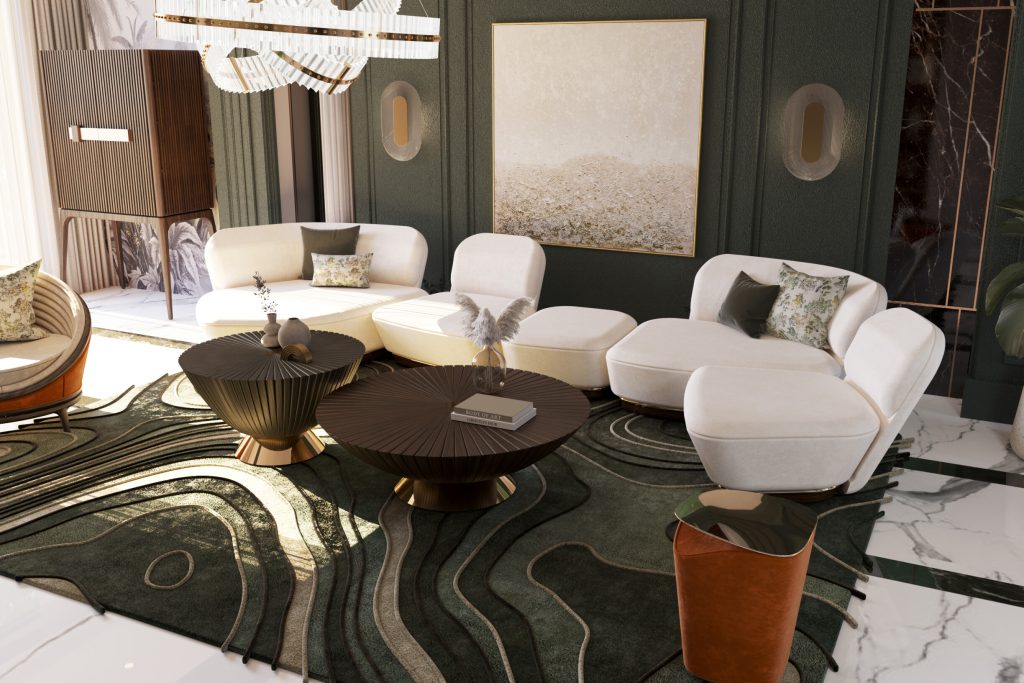
Streamlining Spaces with Technology
In the pursuit of minimalist interior design, the objective is often to create spaces that are visually appealing while maximizing utility. Integrating technology into these streamlined spaces can dramatically enhance functionality without detracting from the serene aesthetic that minimalism embraces. The goal is to ensure that every element within a room serves a purpose and contributes to the overall experience of the home.
One effective strategy for achieving this balance is through the use of smart home integrated control systems, which can simplify everyday operations and reduce clutter. For instance, devices like smart hubs can connect to various home appliances, lighting, and security systems, allowing homeowners to control everything with a single app on their smartphones or through voice commands. This reduces the need for multiple remotes and switches, aligning perfectly with minimalist principles.
Moreover, the placement of technology is crucial in maintaining the uncluttered look that defines minimalism. To aid this, here are some innovative ways that technology can be integrated into minimalist interiors:
- Built-in Technology: Features like in-wall speakers or embedded charging stations can seamlessly integrate into the design of a room. By housing technology within architectural elements, homeowners can enjoy high-tech conveniences without compromising the clean lines and simplicity of their decor.
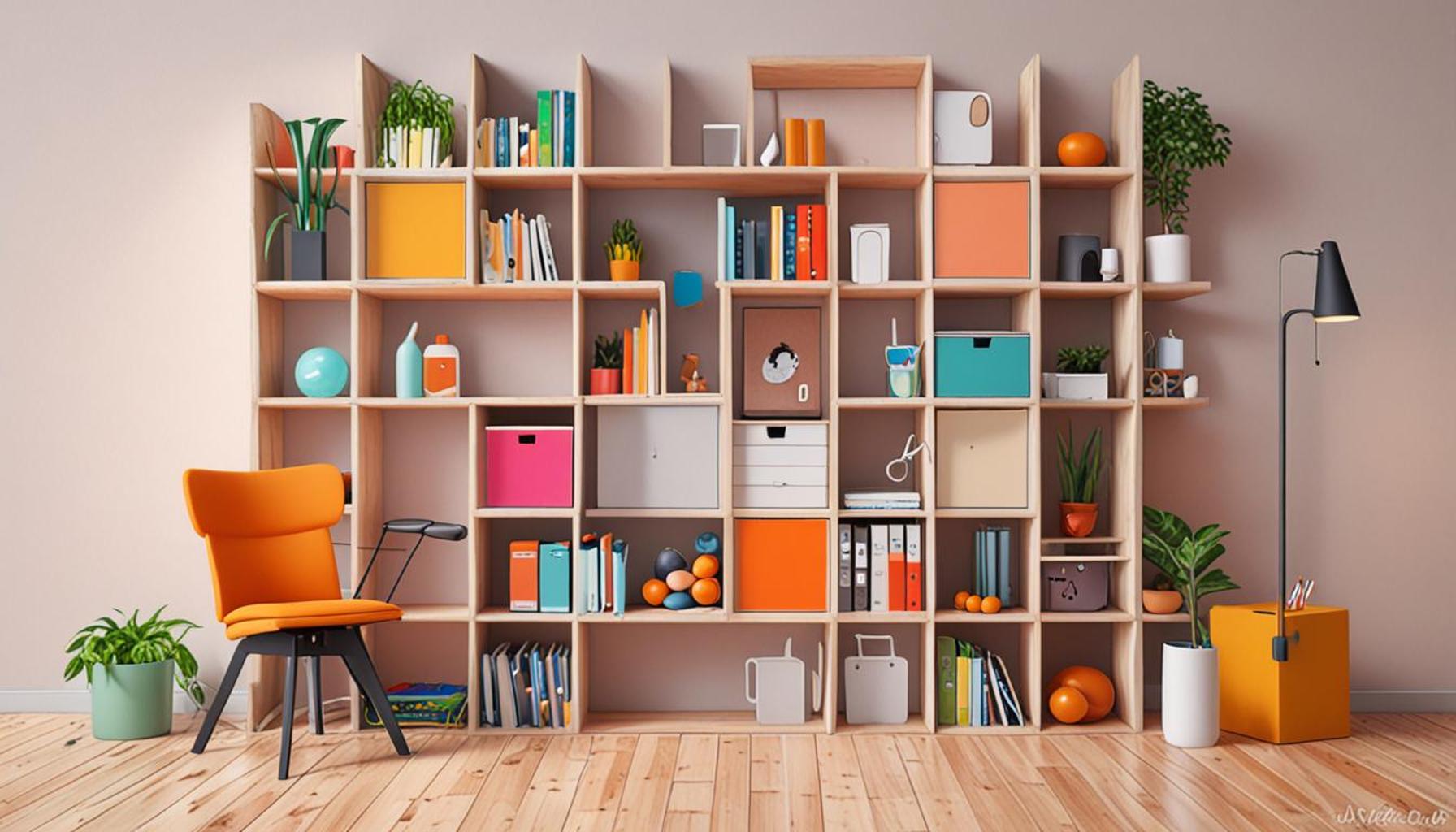
- Hidden Storage Solutions: Furniture with hidden compartments can conceal gadgets and miscellaneous items, keeping surfaces free and ensuring that no unnecessary items disrupt the visual harmony of the space. This can include ottomans with storage inside or bed frames that open for additional space.
- Smart Appliances: Kitchen appliances that are energy-efficient and designed with sleek profiles fit neatly into a minimalist kitchen design. Consider a refrigerator with a touch control panel that provides both functionality and style, or ovens that can be controlled via smartphone for ease of use.
It’s essential to carefully select technology that aligns with your design goals. Each device should contribute to the overall functionality of the space while promoting the minimalist ethos. For example, selecting appliances and gadgets in neutral tones or matching finishes can create a sense of cohesion and tranquility. This not only enhances the aesthetic appeal but also strengthens the intended designs.
Furthermore, diversifying the sources of light in your minimalist home can yield significant benefits. Incorporating smart lighting solutions like LED strips or fixtures that adjust their brightness based on the time of day can alter the mood within a room, creating a flexible atmosphere suited for various activities—from cozy movie nights to productive work sessions.
In summary, integrating technology into minimalist design isn’t merely about adding gadgets; it’s about enhancing daily life without overwhelming the senses. By carefully blending technological advancements with meticulous design choices, homeowners can create spaces that are not only efficient and functional but also truly enjoyable to live in.
| Advantages | Details |
|---|---|
| Streamlined Aesthetics | Emphasizes clean lines and simplicity, reducing visual clutter. |
| Enhanced Functionality | Integrates smart technology seamlessly to improve everyday tasks. |
| Space Optimization | Utilizes innovative design layouts for maximum utilization of space. |
| Increased Connectivity | Efficiently connects various devices for a smart home experience. |
| Energy Efficiency | Technology integration leads to smarter energy consumption. |
In the world of minimalist interior design, the spotlight shines brightly on how technology can redefine living spaces. By prioritizing streamlined aesthetics, this approach not only beautifies your home but also reduces visual clutter, allowing for a more serene environment. Furthermore, the integration of smart technology heightens the functionality of each room, making daily tasks easier and more efficient. This seamless blend of form and function exemplifies how to cultivate spaces that are not only visually appealing but intensely practical. Additionally, the potential for space optimization is significant. Designers employ innovative layout solutions that maximize every inch of a room, enhancing the feelings of openness and capability. Connecting various devices strengthens the smart home experience, bringing convenience to the forefront. Embracing these advancements can lead to improved energy efficiency, as smart systems adjust usage patterns based on real-time data. Together, these elements define the ethos of modern minimalism in interior design, urging readers to further explore the synergy between aesthetic simplicity and technological innovation.
DIVE DEEPER: Click here to discover more about creating minimal spaces
Enhancing Experience through Smart Solutions
To fully embrace the minimalist interior design ethos, it’s imperative to explore innovative solutions that enhance the user experience without cluttering the aesthetic of the home. As technology continues to evolve, so do the capabilities within our living spaces. One significant trend is the rise of automated systems that not only provide convenience but also promote decisions that lead to energy efficiency and sustainability.
One of the pillars of minimalist design is the idea of maximizing space, and this can be achieved through the integration of smart furniture. Pieces such as convertible sofas or extendable dining tables can serve multiple functions while maintaining a sleek profile. For instance, a coffee table that transforms into a dining table allows homeowners to adapt their dining space as needed without requiring additional bulky furniture. This not only optimizes functionality but also aligns beautifully with minimalism by reducing the number of pieces in a room.
Moreover, the concept of virtual assistants has taken root in many households, offering seamless interaction with technology in a minimalist setting. Devices such as Google Home or Amazon Echo can manage tasks such as scheduling, controlling lighting, and even adjusting the thermostat—all through voice commands. This hands-free capability minimizes the need for numerous devices and controls while maintaining the functionality essential for modern living.
Consider also the impact of smart thermostats. These devices optimize energy consumption by learning usage patterns and adjusting heating and cooling accordingly. The ability to control temperature from a smartphone or a remote location not only adds convenience but also fits perfectly with a minimalist mindset focused on efficiency and simplicity. A smart thermostat can be programmed to adapt to your schedule, thus eliminating the need for manual adjustments while ensuring comfort when you’re at home.
Another area ripe for innovative implementation is home security systems. Traditional complex security mechanisms can detract from the minimalist appearance of a space. However, modern security solutions integrate discreetly into the design, with products like doorbell cameras or window sensors that are sleek and unobtrusive. These systems offer advanced monitoring capabilities, all while maintaining the aesthetic integrity of a minimalist home.
Furthermore, keeping a space clutter-free extends beyond physical items. Digital organization tools like virtual calendars and note-taking apps can significantly reduce the amount of paper and miscellaneous items in the home. Ensuring that digital devices are effectively integrated into the design can help to manage everyday tasks without overwhelming the senses.
When integrating technology into minimalism, consider the importance of connectivity. Utilizing mesh Wi-Fi systems can ensure that all technological elements—be it smart speakers, lighting systems, or security devices—are seamlessly connected, without requiring unsightly cables that can detract from the design. The wireless solutions not only uphold the minimalist aesthetic but also enhance operational efficiency, fostering an environment of comfort and style.
Technology can serve as a tool to create a calm and orderly living environment, but it is vital to remain focused on the tenets of minimalism. Each technological addition should be intentional and aligned with the vision of reducing chaos and enhancing serenity. With the right applications, smart methods, and carefully chosen devices, your minimalist space can become an exemplar of functional beauty.
DIVE DEEPER: Click here to learn more
Conclusion: The Future of Minimalist Living
As we navigate the intersection of minimalist interior design and technological innovation, it becomes clear that less truly can be more. By thoughtfully integrating technology, homeowners can cultivate functional spaces that embody simplicity and efficiency. This synergy not only promotes an effortless lifestyle but also elevates the aesthetic appeal by minimizing clutter and maximizing utility.
From smart home ecosystems that streamline daily routines to multifunctional furniture that adapts to changing needs, the tools available today allow for a seamless transition toward an optimized living environment. Emphasizing sustainability and energy efficiency, modern technology complements the minimalist philosophy, creating harmonious spaces that invite tranquility and focus.
Consider this: with each digital innovation or smart device added to your home, reflect on its necessity and functionality. The notion is not merely to incorporate technology for technology’s sake but to make choices that enhance your daily life without overwhelming your senses. As we move forward, the challenge lies in striking a balance that celebrates both digital advancement and the timeless principles of minimalism.
Ultimately, the goal of integrating technology into minimalist interior design is to transform our homes into serene sanctuaries that foster well-being and productivity. By embracing intentionality in both design and technology, these spaces can serve as powerful examples of how modern living and minimalist aesthetics can coexist and flourish in harmony.