The importance of functionality in minimalist workspaces
The Importance of Functionality in Modern Workspaces
The modern workspace is evolving, with a strong emphasis on minimalism and functionality. In an era where distraction is rampant, creating a workspace that prioritizes essentials can lead to increased productivity. But what exactly makes a minimalist workspace functional? Exploring this question reveals various elements that enhance efficiency and cultivate a conducive environment for work.
- Clutter Reduction: One of the fundamental tenets of minimalism is the reduction of physical clutter. A clean workspace reduces distractions and allows for better focus. For instance, studies have demonstrated that individuals working in organized environments are less likely to be sidetracked by visual stimuli. The less clutter there is, the clearer it becomes to prioritize tasks and manage time effectively.
- Ergonomic Design: In addition to appearance, the comfort and health impacts of workspace design cannot be overstated. Ergonomic furniture, such as adjustable chairs and desks, can significantly enhance focus and reduce fatigue during long work hours. This commitment to physical well-being promotes prolonged concentration and contributes to overall productivity, particularly for remote workers who may spend the entire day in their home office.
- Smart Storage Solutions: Creative storage options not only keep essentials organized, but they also contribute to the overall aesthetic of the workspace. Wall-mounted shelves, drawer organizers, and storage bins are excellent ways to maintain an uncluttered environment. For example, using vertical space effectively can lead to more available work surface and decrease the feeling of being cramped.
With these elements in mind, it is essential to recognize how a balance of style and simplicity fosters creativity. A well-placed desk lamp or a simple plant can add both function and aesthetic appeal. Creating a pleasant workspace is not merely about utility; it also involves psychological comfort. In fact, studies suggest that an organized and well-thought-out workspace can increase efficiency by up to 25%. This statistic highlights the significant return on investment that individuals and businesses can achieve through thoughtful workspace design.
As more Americans embrace remote work, understanding the interplay between functionality and minimalism becomes crucial. By adopting minimalistic principles, individuals can create effective environments that not only enhance productivity but also promote well-being. This understanding serves as a blueprint for designing worksites that support improved performance in both personal and professional spheres.
The trend towards minimalistic yet functional workspaces is becoming increasingly relevant as the lines between home and office are continually blurred. By implementing these strategies, anyone can transform their workspace into a hub of efficiency and creativity, ultimately leading to better outcomes and job satisfaction.
DISCOVER MORE: Click here to learn how to maximize your space
Enhancing Productivity Through Thoughtful Design
In the quest for productivity, the importance of functionality in minimalist workspaces cannot be understated. Minimalism, by its nature, strips away the non-essential to focus on what truly matters. Yet, it is the functional elements that transform a simple, minimalist space into a powerhouse for creativity and efficiency. Let’s delve deeper into the features that shape these environments.
- Intentional Layout: The arrangement of furniture in a workspace greatly impacts workflow. An intentional layout can reduce unnecessary movement and make it easier to access tools and resources. For example, placing frequently used items within arm’s reach minimizes the risk of distraction and keeps the user engaged in tasks at hand.
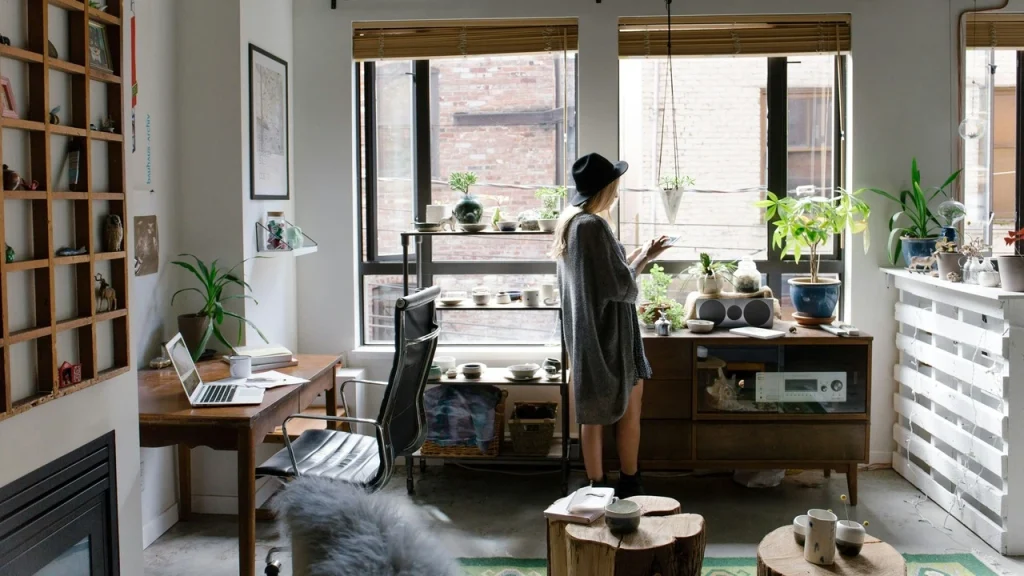
- Natural Light and Ventilation: Another crucial aspect of a functional workspace is the incorporation of natural elements, such as light and air. Research shows that employees working in environments with better lighting and fresh air tend to experience lower levels of fatigue and higher job satisfaction. Consider positioning a desk near a window or utilizing plants for natural aesthetics while improving air quality.
- Integrated Technology: Technology is an indispensable part of modern work. A minimalist workspace should integrate it seamlessly. This includes having organized cords, using wireless devices, and ensuring that tech tools are well-placed to serve their function without overwhelming the space. Having everything tech-related easily accessible, while still aesthetically pleasing, enhances convenience and efficiency.
Moreover, the psychological impact of a well-organized workspace contributes significantly to performance. A functional minimalist design nurtures a sense of calm and order, enabling workers to focus on the task without the psychological burden of disorganization. For instance, a report from the American Psychological Association indicates that cluttered environments can lead to increased stress and decreased productivity. Thus, adopting minimalist principles that emphasize functionality can lead to a more harmonious working atmosphere.
It is also worth noting that the harmony between functionality and minimalism breeds innovation. In spaces where distractions are minimized, the mind is free to think and create. Research has shown that individuals in streamlined environments often report higher levels of creative output. Thus, not only does functionality enhance efficiency, but it also fosters an inventive spirit vital for problem-solving and innovation.
As we redefine our work environments, it becomes crucial to grasp the link between minimalism and functionality. Creating a workspace that embodies both principles can lead to remarkable improvements in efficiency, creativity, and overall job satisfaction. The importance of focusing on functionality within a minimalist framework is evident—it is not merely about aesthetics, but about cultivating an atmosphere that enriches the modern work experience.
| Advantages | Description |
|---|---|
| Enhanced Focus | In a minimalist workspace, removing clutter can significantly improve concentration, leading to better productivity. |
| Improved Workflow | By prioritizing ergonomic designs and essential tools, tasks can be completed more efficiently. |
| Aesthetic Appeal | Minimalism allows for a clean and calming atmosphere, which can inspire creativity and reduce stress. |
| Flexibility | Minimalist workspaces can adapt easily to various tasks and projects, providing an agile working environment. |
Embracing functionality within minimalist workspaces is not just about reducing physical items but also about enhancing the operational dynamics of the environment. As people navigate through their workdays, a workspace designed with purpose encourages de-cluttered thinking and activities. The incorporation of smart storage solutions allows for easy access to essential materials, promoting an uninterrupted flow of work. Having fewer, more meaningful tools at one’s disposal empowers individuals to focus better and be more innovative. Moreover, the minimalist aesthetic isn’t merely for show; it enriches one’s daily experience by providing a soothing backdrop to their efforts. A minimalist workspace can also encourage collaboration—enhancing communication and team dynamics through thoughtfully designed common areas and free-flowing setups. The integration of technology within a minimalist framework allows for an instantly adjustable workspace, tailoring physical settings to individual needs while maintaining a cohesive look. This adaptability proves invaluable in modern work environments where agility is key. Through understanding the importance of functionality in minimalist workspaces, organizations and individuals alike can unlock new levels of productivity and creativity.
DISCOVER MORE: Click here to learn how simple living can boost your happiness
Creating a Seamless Balance Between Aesthetic and Utility
The intersection of functionality and aesthetics in minimalist workspaces lays the groundwork for an environment that is not only pleasing to the eye but also exceptionally efficient. Achieving this balance requires a keen understanding of how specific design choices impact daily operations. Below, we explore additional elements that contribute to this harmonious blend.
- Multi-Functional Furniture: One of the cornerstones of a functional minimalist workspace is the use of multi-functional furniture. Desks that can be adjusted for sitting or standing, or chairs that provide both comfort and support, can significantly enhance productivity. For instance, modular shelving units can serve as storage for files while also displaying personal items that inspire creativity, striking the perfect balance between form and function.
- Decluttered Digital Environment: While physical minimalism is often the focus, digital clutter can be just as disruptive. Tools that promote an organized digital workspace—such as project management software combined with cloud storage solutions—allow for streamlined processes and quicker access to documents. Keeping digital files organized in a minimalist workspace ensures that efficiency is maintained even in virtual tasks.
- Customizable Spaces: Every individual has unique preferences and working styles. By creating customizable workspace areas, employees can tailor their environments to suit their personal needs. Whether it’s rearranging furniture to better suit collaborative projects or setting up quiet zones for focused work, granting individuals the freedom to shape their environments fosters a sense of ownership, promoting both satisfaction and productivity.
An eye-catching element of functional minimalist workspaces is the integration of color and texture. Color psychology indicates that colors can influence mood and productivity levels. For instance, soft blues and greens can instill tranquility, while brighter hues like yellow can stimulate creativity. Using these colors intentionally, along with varied textures in furnishings and decor, enhances the tactile experience of the space without overwhelming it, offering both visual appeal and functional comfort.
In addition to the physical aspects, the role of technology in a functional minimalist workspace cannot be overlooked. Emerging trends such as the Internet of Things (IoT) allow for the integration of smart devices that can automate everyday tasks, such as lighting or climate control, ensuring that the workspace remains comfortable and conducive to concentration. As technology continues to evolve, staying updated with available tools can further streamline operations and foster a more productive atmosphere.
Moreover, an interesting aspect of functionality in minimalist workspaces is the concept of acoustic management. In open-concept offices—widely adopted in the U.S.—noise pollution can hinder focus. Innovative soundproofing solutions, like acoustic panels or strategically placed sound-masking systems, can effectively minimize distractions and elevate the efficiency of individuals. This aspect of design is a vital element that often goes unnoticed but plays a critical role in achieving the functionality that is essential in a workspace.
As we continue to rethink our approaches to work environments, the essence of functionality within minimalist designs stands out as a guiding principle. In doing so, we not only cater to the aesthetic appeal of our spaces but also embrace the principles of efficiency, satisfaction, and creativity that are paramount in today’s fast-paced work culture.
DISCOVER MORE: Click here to learn how minimalism can boost creativity</p
Conclusion: Embracing Functionality for Enhanced Productivity
In the evolving landscape of modern work environments, functionality in minimalist workspaces emerges as a crucial factor driving both employee satisfaction and productivity. By prioritizing principles of efficiency while embracing a clean aesthetic, organizations can foster a culture that not only fuels creativity but also enhances focus. The integration of multi-functional furnishings, organized digital tools, and customizable spaces speaks to the diverse needs of individuals, allowing them to thrive in their unique working styles.
Moreover, the thoughtful inclusion of elements like color psychology, technology, and acoustic management further reinforces the importance of functionality in workspace design. As evidenced by diverse studies, environments that thoughtfully combine these aspects can significantly impact mood and output. For organizations looking to optimize their workspaces, understanding the delicate balance between aesthetics and utility can yield remarkable benefits.
As we move forward, it is essential for companies to recognize that a minimalist approach to workspace design goes beyond mere aesthetics; it is about creating a conducive atmosphere that promotes well-being and productivity. For those seeking to enhance their work environments, embracing functionality in minimalist workspaces is not just a trend but a vital necessity in ensuring a successful and engaging work life. As the work culture continues to evolve, let us remain committed to designing spaces that inspire efficiency while fostering creativity.